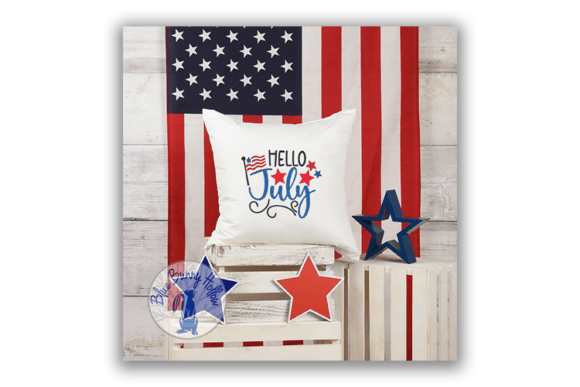
July Embroidery Design Review
As an embroidery designer who spends countless hours testing stitches and planning seasonal collections, I approach every new digital file with a mix of excitement and critical scrutiny. When I first laid eyes on the July design, I immediately began visualizing how it would fit into the bustling marketplace of summer holidays, family celebrations, and Independence Day festivities. This is not just about adding another month to a calendar collection; it is about capturing a specific emotional tone that resonates with buyers looking for personalized gift options during one of the most active shopping periods of the year.
The First Impression: Mood and Aesthetic
The initial impact of this machine embroidery design is one of refined celebration. July carries a unique weight in our cultural calendar, blending the warmth of mid-summer with the patriotic spirit of Independence Day. The design captures this essence without being overly literal or cluttered. It feels both festive and elegant, striking a balance that appeals to a wide demographic. Whether you are targeting customers who love rustic farmhouse decor or those who prefer modern, minimalist aesthetics, this design offers versatility.
The decorative style suggests a premium feel. It does not scream for attention with loud colors but rather invites the viewer to appreciate the detail. For Etsy sellers and small business owners, this subtlety is a strength. It allows the design to stand out in a feed filled with chaotic graphics. The emotional tone is nostalgic yet fresh, evoking memories of backyard barbecues, fireworks displays, and long weekends. This emotional connection is crucial when creating products that people want to keep as keepsakes rather than discard after the holiday passes.
Real-World Application: Where July Fits Best
When planning a seasonal product drop, I always ask myself: "Where will this live?" The July design is remarkably adaptable across various categories. Here is how I see it performing in real selling situations:
- Sweatshirt Embroidery: While July is hot, late summer evenings can be cool. A subtle, well-executed design on a crewneck sweatshirt creates a cozy, nostalgic vibe perfect for back-to-school transitions or early autumn layering.
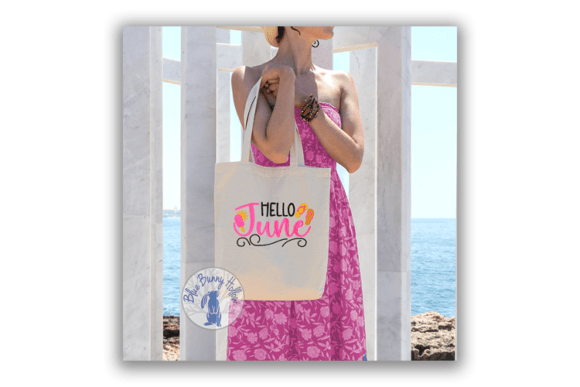
- Tote Bag Design: Canvas totes are staples for craft fairs and farmers markets. This design adds a touch of personality to everyday carry items, making them ideal for handmade gift bundles or promotional giveaways.
- Kitchen Towel Embroidery: Summer entertaining means more cooking and hosting. Placing this design on high-quality linen or cotton kitchen towels elevates the item from a basic utility to a cherished hostess gift.
- Pillow Cover: Home decor is a huge market for seasonal embroidery. A throw pillow featuring July can serve as a centerpiece for a mantel display during the Fourth of July season.
- Embroidered Patch: Creating patches allows for broader application on denim jackets, backpacks, and caps. This expands your reach to customers who want to customize their existing wardrobe.
- Baby Items: For new parents, milestone gifts are popular. A soft onesie or burp cloth with a gentle July motif makes for a thoughtful personalized gift for baby showers occurring in the summer.
- Aprons and Table Linens: These items speak directly to the home cook and entertainer. They add a professional yet personal touch to any summer gathering.
Strategic Selling During Holiday Periods
Incorporating this design into your shop requires more than just uploading a file. You must think about how it performs in marketing materials. During the weeks leading up to Independence Day, buyer emotion is driven by a desire for connection and celebration. Products featuring this design can be marketed as part of gift bundles—perhaps paired with a matching set of coasters or a recipe card holder.
For Etsy listings, the visual recognition of the month theme helps shoppers quickly identify relevant products. Use realistic mockups to show the design on different fabric textures. A printable mockup of the design on a dark navy tote bag versus a white tea towel can help customers visualize the final result. Social media previews should highlight the craftsmanship. Close-up shots of the stitch work build trust and demonstrate quality, which is essential for converting browsers into buyers.
Technical Considerations and Careful Usage
Even the best designs have limitations. As a designer, I advise caution when applying this embroidery file to certain projects. Always check the stitch density before committing to production. If the design includes tiny lettering or intricate layered details, it may become muddy if stitched too small. Test these elements on scrap fabric before running a full production batch.
Be mindful of the fabric texture. Thick towels can hide fine details, while stretchy garments like jersey knits require proper stabilization to prevent puckering. If you plan to use metallic thread to enhance the festive look, ensure your machine can handle the friction, as this can affect the finish. Additionally, consider the hoop size constraints. Ensure the design fits comfortably within standard hoops without requiring awkward re-hooping, which can lead to misalignment.
For items that need repeated washing, such as aprons or children’s clothing, verify the durability of the stitches. Loose threads can fray over time, affecting the perceived value of the finished product. Using the correct stabilizer is non-negotiable here; it provides the foundation needed for a clean, professional look that withstands the test of time.
Designer Notes for Production Success
To get the most out of this design, follow these practical steps:
- Thread Colors: Test thread colors on both light and dark fabrics. Standard red, white, and blue might be expected, but experimenting with pastel shades or earth tones can differentiate your brand.
- Hoop Size Confirmation: Confirm the hoop size requirements with the file provider. Adjusting the scale slightly can sometimes improve the proportion on smaller items like ornaments.
- Stabilizer Selection: Choose a stabilizer that matches the weight of your fabric. Cut-away stabilizers are often best for garments, while tear-away works well for stable home decor fabrics.
- Commercial Licensing: Before selling finished seasonal products, review the license terms. Ensure you have commercial rights to sell items made with this digital embroidery file.
- Brand Consistency: Align the design with your overall brand aesthetic. If your shop focuses on rustic charm, pair this design with burlap or raw-edge finishes. If you aim for modern elegance, stick to crisp cottons and minimalist packaging.
Ultimately, the success of adding July to your collection depends on how well you integrate it into your customer’s lifestyle. It is not just a month; it is a feeling. By focusing on quality, appropriate placement, and strategic marketing, you can create products that resonate deeply with your audience. Take the time to test thoroughly, plan your color palettes carefully, and present your work with pride. This approach will not only boost sales but also build long-term customer trust and engagement during the busy holiday season.