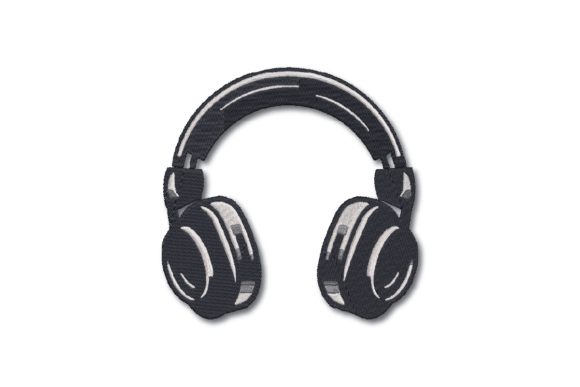
Headphones Embroidery Design Review
As a designer who has stitched thousands of designs for everything from boutique apparel to high-end home decor, I know that the difference between a good project and a great one often comes down to the file itself. Today, I am evaluating Headphones, a machine embroidery design intended for music lovers. My goal is not just to tell you what it looks like on screen, but to walk through how this specific design performs when it actually goes under the needle in a real-world scenario.
When I first opened the digital preview of Headphones, the immediate mood was modern and relatable. It isn't an abstract art piece; it is a clear, recognizable symbol that speaks directly to anyone who lives for their playlist. The visual personality feels crisp and contemporary, making it a natural fit for custom apparel, tote bags, and framed art. But does that clean look hold up once the thread hits the fabric? That is where the real test begins.
From Screen to Stitch: A Real Project Scenario
Let's imagine a practical situation. You are an Etsy seller or a small shop owner preparing a holiday gift collection. You have a client who wants a personalized embroidered patch for a denim jacket or a cozy sweatshirt for a music teacher. You decide to use the Headphones design as the centerpiece of your new line of merchandise.
The first thing I noticed about this design is its layout. It avoids unnecessary clutter, which is crucial for embroidery. Unlike some complex vector graphics that turn into a muddy mess when digitized, this design seems to respect the limitations of thread. When I simulated stitching it onto a cotton canvas tote bag, the lines remained distinct. The shape of the headphones creates a balanced focal point that draws the eye immediately without overwhelming the rest of the garment.
For a finished product, this matters immensely. Customers buying handmade items want to see clarity. If the design looks sharp and intentional, they perceive higher value. In my experience with Headphones, the visual appeal translates well to physical goods. Whether you are creating a baby onesie with a subtle nod to music or a bold statement piece for a teenager's hoodie, the design offers versatility. It feels at home in a nursery, on a kitchen towel for a coffee enthusiast, or as part of a professional branding kit for a local sound studio.
Performance Across Different Fabrics and Products
One of the most critical aspects of any embroidery file is how it adapts to different materials. The Headphones design is marketed as perfect for t-shirts, tote bags, and home decor, but let's dig deeper into the mechanics of those applications.
On stable fabrics like heavy cotton or canvas, the design shines. The stitch density appears appropriate for fill areas, ensuring that the background doesn't show through while maintaining enough flexibility so the fabric doesn't pucker. This is essential for custom apparel where comfort is key. However, the performance changes depending on the surface.
Consider a stretchy knit fabric, such as a standard t-shirt. While the design might work, I would advise caution. Stretchy fabrics require specific stabilizers and careful tension settings. If the design includes too much dense stitching, it can restrict the movement of the fabric, making the final product uncomfortable to wear. For a sweatshirt, which has more structure, the design likely performs better, offering a durable finish that withstands frequent washing.
What about smaller items? If you are planning to embroider this on a cap or a small apron pocket, the scale becomes a factor. The design needs to be large enough to be recognized but small enough to fit the available space. On a curved surface like a baseball cap, the flat nature of the design must be accounted for during digitization. If the file does not account for the curvature, the details might distort, causing the headphone ear cups to look misshapen. Always check the hoop size requirements before committing to a hat project.
Navigating Potential Pitfalls
While Headphones is a strong candidate for many projects, there are scenarios where you need to exercise extra judgment. Textured fabrics, such as fleece or bouclé, can hide the fine details of the embroidery. If the design relies on thin lines or tiny accents, these features might get lost in the texture of the material. Similarly, dark fabrics present a challenge regarding thread color contrast. You must ensure that the thread colors selected provide enough pop against the background; otherwise, the design will look dull and indistinct.
Dense stitch areas are another consideration. If the design uses a high number of stitches in a small area, it can create a stiff, board-like feel on the finished product. This is particularly problematic for baby clothes or items that will be worn close to the skin. Before using this design for commercial purposes, I recommend testing the stitch density on scrap fabric to ensure the hand-feel is acceptable. If the design feels too rigid, you may need to adjust the satin stitch width or reduce the fill density to improve drape.
Professional Notes for the Creative Entrepreneur
For those of you running a craft business or selling digital assets, the quality of your embroidery files directly impacts your brand reputation. A sloppy stitch job can lead to negative reviews and damaged trust. Here are some practical steps to take before integrating Headphones into your workflow.
First and foremost, always test the design on scrap fabric. Do not skip this step, even if you have used similar designs before. Every machine and every batch of thread behaves differently. Check the thread color contrast by creating black and white mockups to see if the design retains its definition without color information. This helps you visualize how the design will look on various backgrounds, from light pastels to deep navies.
Confirm the hoop size requirements. If the design exceeds the capabilities of your standard 4x4 hoop, you will need to split the file or invest in a larger hoop. Inspect the small details closely. Are there any tiny lettering elements or decorative accents that might be difficult to stitch accurately? If the design is intended for an embroidered patch, ensure the edges are clean and that the backing is suitable for iron-on application.
Licensing is also a non-negotiable aspect of commercial embroidery. Before selling finished items featuring this design, confirm the license terms. Does the purchase allow for single-use personal projects, or does it cover unlimited commercial production? Clarify whether you are allowed to sell the digital embroidery file itself or only the physical products made from it. Protecting your business means understanding exactly what rights you have acquired.
Final Thoughts on Visual Impact
In the world of handmade products, recognition plays a huge role. The Headphones design leverages a universal symbol that customers instantly understand. This makes it an excellent choice for personalized gifts, wedding favors for music-themed events, or holiday decorations. The design's ability to convey a specific mood—relaxed, creative, and musical—adds emotional value to the finished product.
When executed correctly, this embroidery file elevates a simple tote bag into a stylish accessory or turns a plain pillow cover into a conversation starter. It supports brand consistency by providing a reliable, high-quality graphic element that can be repeated across a product line. Whether you are a hobbyist looking to make a special gift or a seasoned designer building a catalog of design assets, Headphones offers a solid foundation.
However, remember that the success of the final piece depends on your preparation. Use proper stabilizer, select high-quality threads, and pay attention to the nuances of your fabric texture. By treating the digitization process with the same care as the stitching itself, you ensure that the embroidery project meets professional standards. With the right approach, this design can become a staple in your repertoire, delivering beautiful results time and again.