Figs Embroidery Design Review
As an experienced embroidery designer who spends weekends setting up booths at local craft fairs and managing a bustling online shop, I know that the difference between a design that gathers dust and one that sells out often comes down to visual impact and practical production. When I first saw Figs, described as a labor of love bursting with bright and captivating colors, I immediately thought about how it would perform on a crowded table full of handmade goods. This review is based on my professional judgment of how this design translates from a digital file into a tangible kitchen product that customers will want to take home.
First Impressions: A Burst of Color for the Kitchen
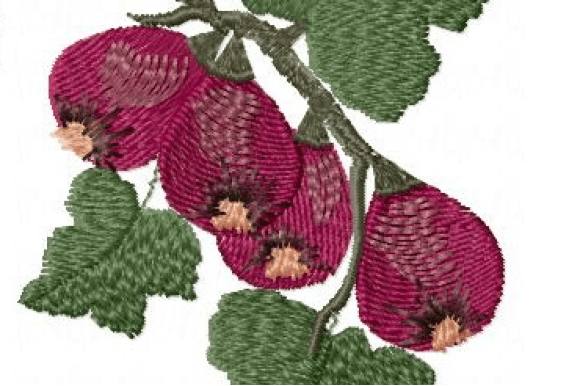
The description of Figs suggests a piece that is far from minimal or rustic in a muted sense. Instead, it feels bold, modern, and vibrant. For a craft fair booth, color is king. In a sea of neutral linens and black-and-white typography, a design with bright and captivating hues acts as a magnet for attention. The word "enchanting" implies a certain whimsy or charm that fits perfectly within the embroidery category, suggesting a design that feels handcrafted yet polished.
This isn't just a simple logo; it is a statement piece. When I imagine placing this on a display, I see it standing out against darker backgrounds or crisp white fabrics. It feels premium and decorative, elevating a standard item into something special. The energy of the design promises to bring a smile to anyone who sees it, making it an excellent candidate for impulse buys at a market where buyers are looking for unique, cheerful additions to their homes.
Product Potential: Where Figs Shines
To maximize sales, we need to match the right design to the right product. Figs is versatile enough to work across several high-demand categories, but some applications will clearly outperform others.
- Tote Bag Design: This is likely the hero product. A large, colorful fig motif on a canvas tote bag creates an instant focal point. Customers love carrying art they can use daily. The bright colors will pop against natural canvas or deep navy fabric, making it a standout craft fair product.
- Apron Embroidery: In the kitchen, functionality meets style. An apron featuring Figs transforms a utilitarian tool into a gift-worthy item. The design's brightness adds a playful touch to cooking, appealing to foodies and home chefs alike.
- Tea Towel Embroidery: These are classic handmade products that sell well in bundles. A set of towels with different variations of the design or single large designs like Figs make for perfect housewarming gifts. The texture of a tea towel provides a nice backdrop for the thread colors.
- Embroidered Patch: If the design has clean edges, it could be cut out and used as a patch for denim jackets or backpacks. This expands the reach beyond the kitchen entirely, allowing you to target fashion-conscious buyers.
- Caps and Fabric Pouches: Smaller items like caps require careful consideration of size, but a well-placed Figs design can add a cute accent. Similarly, small pouches for makeup or sewing supplies benefit from a concentrated burst of color.
Production Reality: What Works Best
When preparing for a weekend market, efficiency is key. You need designs that photograph well and produce consistently. Figs, with its promise of bright colors, should photograph beautifully under natural light, which is crucial for Etsy seller listings and social media marketing. The contrast of the threads will likely translate well in photos, ensuring your digital embroidery file looks as good online as it does in person.
For batch production, the design needs to be forgiving. If the stitch density is manageable, you can churn out multiple units without excessive hooping and repositioning. The description mentions it was crafted by skilled artisans, implying a level of detail that might require precision, but if the spacing allows for quick stabilization, it becomes a viable commercial embroidery asset.
I would recommend creating a few real mockups before printing thousands of them. Use a printable mockup to visualize how the design sits on a folded towel versus a hanging apron. This helps in deciding whether to offer it as a single item or part of a curated collection.
Critical Considerations and Careful Use Notes
Not every design works everywhere, and as a professional, I must highlight potential pitfalls. The description emphasizes "bright and captivating colors," which often means a higher thread count. High thread counts can lead to issues if not managed correctly.
Stitch Density and Clarity: Dense stitch areas can cause fabric puckering, especially on thin materials. If Figs features tiny details or small lettering, these elements may lose clarity when embroidered on textured surfaces like heavy linen or terry cloth tea towels. Always test on scrap fabric first to ensure the details remain sharp.
Fabric Texture and Thickness: Thick fabrics can swallow up smaller stitches, while curved surfaces like caps can distort the design if the hoop size isn't appropriate. Dark fabric presents another challenge; bright colors usually pop, but you must ensure there is enough coverage so the dark base doesn't show through the lighter threads.
Size Matters: If you plan to scale this down for a small pouch or cap, check the minimum size requirements. Designs that look stunning at 6 inches can become muddy blobs at 2 inches. Ensure the hoop size matches the intended product dimensions to maintain the integrity of the artwork.
Designer's Checklist for Success
Before you commit to producing inventory for your next market, follow these essential steps to ensure quality and avoid costly mistakes.
- Test on Scrap: Never run a new design directly onto your best inventory. Stitch Figs on a scrap of the exact fabric you intend to sell to check for puckering and thread tension.
- Check Thread Contrast: Verify that the thread colors provide enough contrast against your chosen fabric. A design that looks great on white might get lost on grey.
- Review Spacing and Hoop Size: Confirm that the design fits comfortably within your machine's hoop limits for the specific product, leaving enough margin for the stabilizer to hold the fabric securely.
- Inspect Stitch Density: Look closely at the finished sample. Are there gaps? Is the back overly messy? Proper density ensures durability and a professional finish.
- Use the Right Stabilizer: Heavier fabrics need heavier stabilizers. Using the wrong type can lead to shifting or distortion during the embroidery process.
- Create Real Mockups: Don't rely solely on digital renders. Photograph a physical sample to see how the lighting affects the thread sheen and color vibrancy.
- Confirm Commercial Licensing: Before selling finished products, double-check your license terms. Ensure you have the right to sell items made with this embroidery file and that you aren't infringing on any rights.
Final Verdict
Figs has the potential to be a top-performing design for your small shop product line. Its vibrant nature aligns perfectly with the desire for unique, cheerful decor. By understanding the nuances of fabric texture, stitch density, and proper stabilization, you can turn this digital asset into a best-selling physical item. Whether it adorns a tote bag, an apron, or a pillow cover, the goal is to create a finished product that feels handmade, high-quality, and worth the price tag. With careful preparation, Figs can become a signature element of your brand, drawing customers into your booth and keeping them coming back for more.