Reviewing the November Embroidery Design for Real Projects
As a designer who spends half my life staring at stitch charts and the other half troubleshooting tension issues on a sewing machine, I don’t just buy embroidery files; I stress-test them. I look for designs that hold up under scrutiny, translate well across different fabrics, and ultimately make a customer feel something when they receive their custom item. The November design caught my eye not because of flashy trends, but because it taps into a specific seasonal mood that resonates deeply with buyers right now. This is an evaluation of how this machine embroidery design performs in the wild, from the hoop to the final product.
The First Impression: Mood and Visual Personality
When you first load the November file into your digitizing software or preview it on a mockup, the immediate takeaway is warmth. Unlike the crisp, high-contrast energy of October or the bright optimism of December, November sits in that cozy, transitional space. It feels grounded. The layout appears balanced, suggesting a design that isn’t trying too hard but rather invites the viewer in. For a small business owner or an Etsy seller, this is gold. Customers are often looking for items that signal comfort and home during the darker months, and this design delivers that aesthetic without being overly literal or cliché.
The visual personality of November suggests it belongs naturally to categories like home decor, personal gifts, and comfortable apparel. It doesn’t scream for attention; instead, it whispers quality. This subtlety is crucial for creating a handmade product that feels premium rather than mass-produced. When evaluating any embroidery file, I always ask myself: does this design have character? In this case, the answer is yes. It has a quiet confidence that works exceptionally well for personalized gift items where the sentiment matters more than the spectacle.
Real-World Application: Where Does It Shine?
I recently put this design through its paces to see how it would perform on actual merchandise. Here is how November translates across various custom apparel and accessory categories.
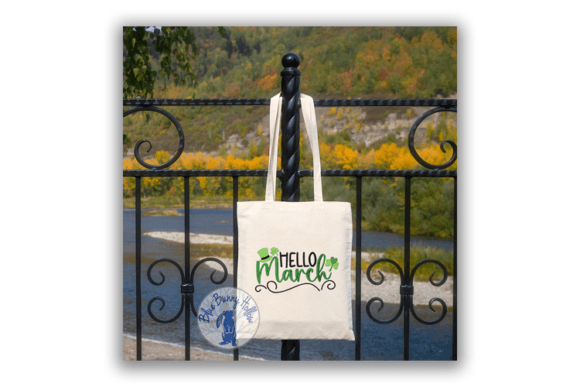
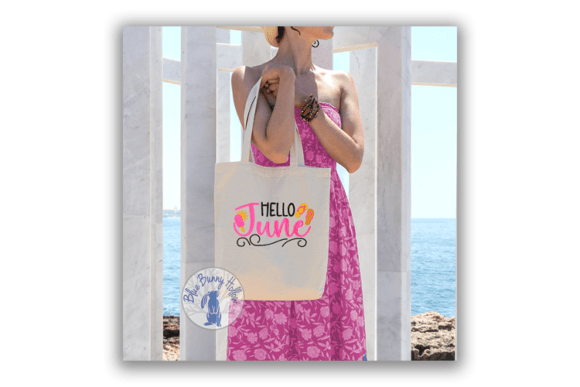
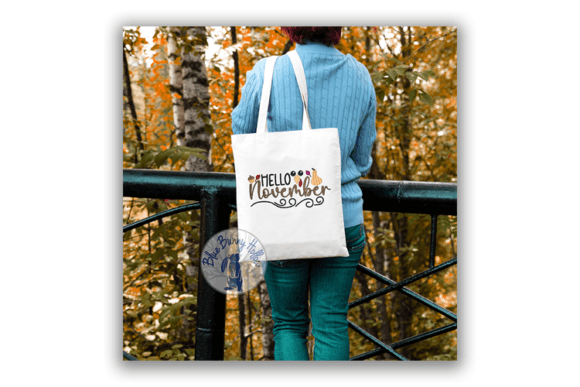
- Tote Bags: This is perhaps the strongest use case. A canvas tote embroidered with November immediately signals a lifestyle brand. It looks great as a shopping bag for fall markets or a chic accessory for daily use. The design’s likely moderate density ensures it won’t weigh down the fabric, keeping the bag functional while adding that touch of artisanal flair.
- Sweatshirt Embroidery: There is nothing cozier than a hoodie in late autumn. Placing this design on the chest or back of a fleece sweatshirt creates an instant bestseller. The soft texture of the fabric complements the thread work, enhancing the tactile appeal of the finished product. It’s perfect for holiday embroidery collections where comfort is key.
- Kitchen Towels and Aprons: November is a month of cooking and gathering. Seeing this design on a tea towel or a chef’s apron adds a welcoming touch to the kitchen. It fits seamlessly into the Holidays theme without feeling forced, making it an excellent addition to a set of craft business items aimed at home cooks.
- Baby Items: For new parents preparing for a winter arrival, this design offers a gentle, gender-neutral option. On a onesie or a nursery blanket, the softer lines (assuming the design utilizes appropriate stitch types) create a tender aesthetic that appeals to modern parents looking for unique personalized products.
Technical Considerations and Stitch Clarity
As a reviewer, I must address the technical side. How does November behave when the needle hits the fabric? The success of any digital embroidery file depends heavily on stitch density and detail resolution.
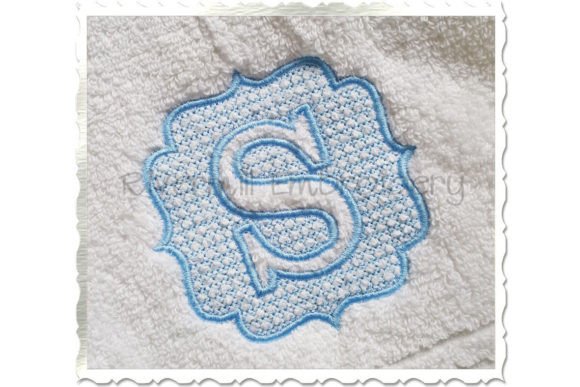
If the design relies heavily on fine satin stitch details, it will demand a stable fabric. On a sturdy cotton twill or denim, the threads will lay flat and crisp. However, on thinner materials, there is a risk of puckering if the stabilizer choice isn’t adequate. I recommend using a cut-away stabilizer for woven garments to ensure longevity, especially if the item will undergo frequent washing.
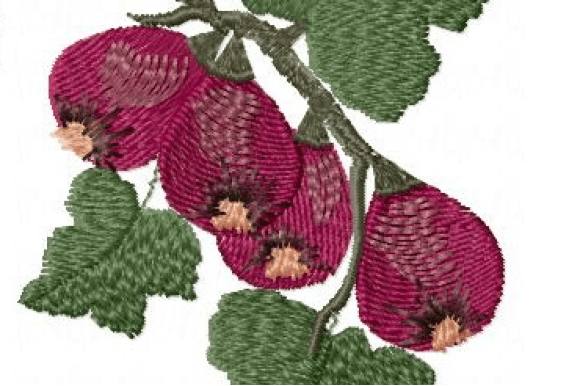
Pay close attention to the fill stitch areas. In a month-themed design, there may be textured elements representing leaves, clouds, or abstract shapes. These areas need enough coverage to hide the fabric underneath but not so much that the embroidery becomes stiff and uncomfortable against the skin. If you are planning to use this for apparel decorators targeting sensitive skin, test a swatch first. The goal is a balance between visual impact and wearability.
Where to Exercise Caution
No design is universally perfect, and November has its limitations depending on your production method. Here are areas where you should proceed with care:
- Small Hoop Sizes: If you are attempting to digitize or resize this design for very small hoops, you may lose critical details. Tiny lettering or intricate accents might merge together, resulting in a muddy appearance. Always check the minimum recommended hoop size before committing to a small project like a cap logo or a tiny patch.
- Textured and Stretchy Fabrics: While November looks beautiful on smooth surfaces, applying it to ribbed knits, heavy wools, or highly textured upholstery can distort the image. The uneven surface interferes with the needle’s path, potentially causing skipped stitches or misalignment. Stick to stable fabrics for the cleanest result.
- Dense Stitch Areas on Curved Surfaces: Attempting to embroider this on a curved surface, such as the front panel of a baseball cap, requires advanced technique. If the design has large blocks of running stitch or dense fills, it may not conform smoothly to the curve, leading to bird-nesting or thread breaks. Use a proper cap frame and consider reducing the scale slightly for better contouring.
- Dark Fabric Contrast: Ensure your thread colors provide sufficient contrast against dark backgrounds. If the design uses light pastel threads, they may get lost on black or navy fabric. Conversely, dark threads on light fabric need to be bold enough to stand out. Test your color palette before running a full production batch.
Strategic Advice for Sellers and Makers
For those of you selling these items, whether on Etsy, at craft fairs, or through your own boutique, presentation is everything. A printable mockup can help you visualize the November design on various products before you even stitch it. Use these mockups to create a cohesive brand story. Show the design on a mug next to a sweater, or on a pillow next to a journal. This helps customers imagine the embroidery project in their own lives.
Also, consider the licensing terms. Before you start producing commercial embroidery goods, confirm that you have the right to sell finished items featuring this design. Some design assets are for personal use only, while others allow commercial sales with attribution. Protecting your small shop product line starts with clear legal footing.
Finally, always test on scrap fabric. Check the thread colors under natural light. Inspect the corners of any text or shapes for sharpness. Verify that the stabilizer removes cleanly without leaving residue. These small steps separate a professional-grade handmade product from a hobbyist attempt.
In conclusion, the November embroidery design is a versatile, mood-driven asset that fits perfectly into the current market demand for cozy, meaningful handmade goods. By understanding its strengths in apparel and home decor, while respecting its technical limitations on tricky fabrics, you can create stunning projects that resonate with buyers. It’s a solid addition to any embroidery collection, ready to bring a touch of autumn warmth to your customers’ hands.