Cooking Utensils Embroidery Design Review
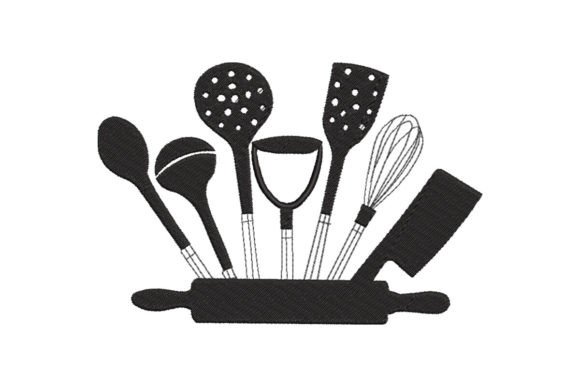
As an experienced embroidery designer who has reviewed thousands of digital files for commercial application, I approach every new design asset with a critical eye. We are not just looking at aesthetics; we are evaluating scalability, stitch integrity, and brand potential. Today, I am reviewing the Cooking Utensils machine embroidery design. The product description highlights its versatility on kitchen towels, tablecloths, aprons, shirts, and dresses, promising a touch of elegance and nature-inspired charm. But does it hold up when scaled down for branded merchandise, patches, or uniform accents? Let’s dive into a professional assessment for small business owners, Etsy sellers, and apparel decorators.
First Impressions: Visual Personality and Brand Fit
When you first load the Cooking Utensils embroidery file into your digitizing software, the immediate question is: what kind of vibe does this convey? Based on the "nature-inspired" descriptor, this design likely leans toward a rustic, handmade, or organic aesthetic rather than a sleek, corporate modern look. This is crucial for branding. If you are running a boutique bakery, a local café, or a handmade goods shop, this visual personality aligns perfectly with brands that want to communicate warmth, authenticity, and artisanal quality.
The design feels friendly and elegant, which makes it highly suitable for customer-facing merchandise. It avoids being overly playful or childish, maintaining a level of professionalism that works well for staff uniforms or high-end product packaging. For a florist or a craft business, the nature-inspired elements can serve as a subtle nod to your core values without overwhelming the logo. However, if your brand identity is strictly minimalist or industrial, you may find the decorative nature of this design too busy. Always evaluate the Cooking Utensils design against your existing brand assets to ensure visual consistency.
Real-World Business Applications
In the world of small business merch, versatility is key. Here is how the Cooking Utensils design performs in specific commercial scenarios:
- Embroidered Patches: One of the most profitable uses of this design is creating iron-on or sew-on patches. These can be sold as accessories on Etsy or used as loyalty rewards for customers. The nature-inspired details translate well to patch formats, adding a tactile element to tote bags or denim jackets.
- Apron Embroidery: For bakeries and chefs, custom aprons are essential. Placing the Cooking Utensils design on the chest pocket or lower hem adds a touch of class. It elevates a standard work shirt into a branded uniform that signals care and attention to detail.
- Tote Bag Design: Canvas totes are a staple for craft fairs and markets. This design fits beautifully on the front center or corner of a tote bag. The contrast between the fabric texture and the thread colors can create a premium feel, encouraging impulse buys from shoppers.
- Cap Embroidery: Structured caps with curved fronts require designs that are compact and legible. If the Cooking Utensils file is digitized with appropriate spacing, it can work as a side logo or a back-center accent. It adds a unique flair to staff hats, distinguishing your team from generic branded apparel.
- Product Packaging Accents: Beyond clothing, consider using this design on hang tags or gift boxes. A small embroidered accent on a paper tag (using specialized techniques) or a printed mockup of the embroidery effect can significantly increase perceived value. It suggests that the product inside is handcrafted and thoughtful.
Strategic Placement and Limitations
Not every placement works for every design. As a designer, I advise caution in the following areas when using Cooking Utensils:
- Small Patch Sizes: If you plan to scale this design down to less than 2 inches, inspect the fine details. Nature-inspired outlines often contain thin lines that may merge together if the stitch density is too high or the size is too small. Test this rigorously before offering it as a standard patch size.
- Curved Surfaces: When embroidering on the front of a cap or the curve of a sleeve, flat designs can distort. Ensure the digitizing accounts for the curvature of the garment. If the design includes text, verify that lettering remains readable on a rounded surface.
- Dark Uniforms: Contrast is everything. If you are placing this on dark navy or black work shirts, you must choose bright or light thread colors. Dark threads on dark fabric will cause the design to disappear, undermining the professional look you are trying to achieve.
- Frequent Washing: For items like aprons and kitchen towels that undergo frequent laundering, the durability of the embroidered patch or direct embroidery is vital. Ensure the underlay stitches are strong enough to prevent puckering after multiple wash cycles.
Impact on Brand Identity and Customer Trust
Using a cohesive design like Cooking Utensils across various touchpoints builds a stronger brand identity. When a customer sees the same nature-inspired motif on a tote bag, an apron, and a product label, it creates a sense of recognition and trust. It signals that the business is organized and cares about presentation. This visual consistency enhances the finished product's value, making it feel more like a premium gift than a mass-produced item. For handmade brands, this alignment reinforces the narrative of craftsmanship and natural beauty, directly engaging buyers who value these traits.
Practical Designer Notes for Production
Before you commit to a large production run, follow these essential steps to ensure quality control:
- Test in Black and White: Convert the design to monochrome in your software. This helps you see the true shape and balance of the Cooking Utensils file without the distraction of color choices.
- Check Hoop Size and File Format: Verify the maximum dimensions of the digital embroidery file. Does it fit your standard hoop sizes? Confirm the format compatibility with your embroidery machine.
- Stabilizer Selection: Use the correct stabilizer for your fabric type. Heavy-cutaway stabilizers are often needed for knits like t-shirts, while tear-away may suffice for woven cotton aprons. Improper stabilization leads to poor registration and puckering.
- Create a Printable Mockup: Before sewing, generate a high-resolution printable mockup. Show this to clients or stakeholders for approval. It allows them to visualize the design assets on their actual products.
- Commercial Licensing: Most importantly, confirm the commercial licensing terms of the Cooking Utensils design. Ensure you have the right to sell physical items made with this file. Avoid legal issues by keeping records of your purchase and license agreements.
By carefully evaluating the Cooking Utensils embroidery design through the lens of business utility and technical execution, you can transform a simple graphic into a powerful tool for brand building. Whether you are decorating custom apparel or creating unique handmade products, this design offers a charming, elegant solution for businesses that want to stand out. Always test, always compare, and always prioritize quality in your commercial embroidery projects.