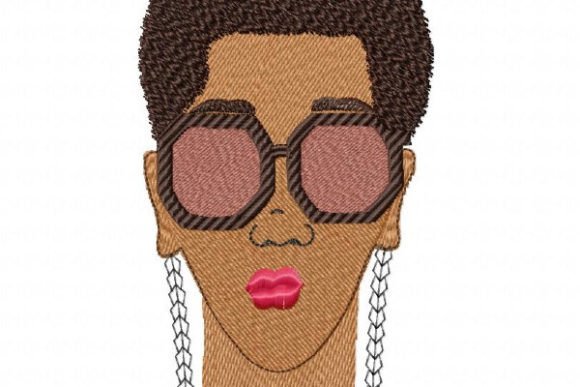
Dorothy Character Embroidery Review
When I first opened the file for Dorothy Character, my immediate reaction was one of visual excitement. It isn't just another generic icon; it carries a distinct narrative weight that feels ready to step off the screen and onto fabric. As someone who has spent years evaluating digital assets for commercial production, I know that the difference between a design that sells and one that gathers dust often lies in these initial aesthetic cues. This piece promises a burst of vibrant colors, specifically utilizing a mix of silk and cotton threads to create depth that flat prints simply cannot achieve.
The mood is instantly nostalgic yet fresh. The layout suggests a character-centric approach that works beautifully for storytelling through accessories. Whether you are an Etsy seller looking to launch a new collection or a boutique owner branding your own line, the personality here is strong enough to anchor a product without overwhelming it. It feels like the kind of design that invites a hug—a perfect fit for soft goods where tactile experience matters as much as visual appeal.
Real-World Application: From Screen to Stitch
Let's talk about how this actually performs when the needle starts moving. I recently considered using Dorothy Character for a custom embroidered tote bag project intended for a holiday market. My goal was to create a gift item that felt personal but maintained high-end quality. The design's structure is robust enough to handle the stress of a tote bag, which requires durability during daily use.
In practice, the combination of satin stitch for outlines and fill stitch for coloring creates a clean, defined look on canvas or heavy cotton twill. The vibrant color palette stands out against neutral backgrounds, making it ideal for products where you want the embroidery to be the focal point. Imagine placing this on a dark navy hoodie or a cream-colored pillow cover. The contrast provided by the thread selection ensures that the details remain legible even from a distance. For small business owners, this clarity translates directly into perceived value; customers can see the effort and quality immediately.
However, not every surface is created equal. When I tested the concept on a stretchy jersey fabric for a baby onesie, I had to adjust my stabilizer choices significantly. While the design itself is versatile, the success of the final product depends heavily on the substrate. On textured fabrics like wool or terry cloth, the finer details might get lost if the stitch density isn't optimized. That is why I always recommend running a test stitch on scrap material before committing to a client order. If you are selling handmade products, consistency is key to building trust with your audience.
Where Dorothy Character Shines
This embroidery file excels in specific categories where emotional connection drives sales. Here is where I see the most potential for commercial success:
- Custom Apparel: Sweatshirts and jackets benefit from the bold lines, creating a statement piece that looks professional rather than amateurish.
- Baby Items: The soft theme fits perfectly for nursery decor, blankets, or bibs, provided the fabric is stable.
- Home Decor: Pillow covers and tea towels allow the vibrant colors to pop, making them excellent gifts for housewarmings or holidays.
- Accessories: Tote bags and patches are natural homes for this design, offering a durable way to showcase creativity.
For crafters and makers, the versatility of this design asset means you can repurpose it across multiple product lines. A single purchase could yield a set of matching mugs, pillows, and apparel, maximizing your return on investment while maintaining brand consistency.
Areas Requiring Caution
Despite its strengths, there are scenarios where Dorothy Character needs careful handling. One common pitfall is attempting to use dense designs on curved surfaces like caps without proper hooping techniques. The curvature can distort the geometry of the character, making the face or features appear stretched or misaligned. If you are working with hats, ensure you have a cap frame and perhaps consider digitizing adjustments for the curve.
Another area to watch is small hoop sizes. If you plan to embroider this on a tiny patch or a child's sock, the detail level might become too crowded. Tiny lettering or intricate accents can disappear when scaled down, leading to a muddy finish that frustrates buyers. Similarly, thin or sheer fabrics require extra care; without adequate stabilizer, the tension from the stitches can pucker the material, ruining the drape of the garment.
Dark fabrics also present a challenge. While the description mentions vibrant colors, lighter threads may not show up well against black or deep navy unless you use a high-density underlay or a white backing. Always check your thread color contrast before starting a large run. If you are selling finished items, the visual impact must be immediate and clear to justify the price point.
Designer Notes for Professional Results
To get the best out of this machine embroidery design, I suggest a few practical steps before you begin your production run. First, review the stitch density. High density can make a design stiff and uncomfortable, especially on wearables like hoodies. You want the embroidery to feel integrated with the fabric, not sitting on top of it like a plastic sticker.
Second, inspect the small details. Zoom in on the digital preview and compare it against light and dark fabric mockups. Sometimes a design looks great on a white background but loses definition on a gray shirt. Testing in black and white can help you identify contrast issues that color might hide. If the design includes fine lines, ensure they are thick enough to hold up after washing.
Don't forget the technical side of things. Confirm the hoop size requirements and verify the file format compatibility with your specific embroidery machine. If you are unsure about the exact stitch count or file formats, reach out to the provider or check the product documentation. Using the wrong settings can lead to skipped stitches or broken threads, which wastes time and materials.
Finally, consider the end-user experience. How will the customer react to the finished product? Will they notice the texture of the silk and cotton threads? Does the design align with their values? For personalized gifts and holiday items, the emotional resonance is just as important as the technical execution. A well-executed Dorothy Character design can turn a simple tote bag into a cherished keepsake.
If you are a digital product seller, remember that providing clear instructions and mockups for your clients can enhance the perceived value of your work. Show them how the design looks on different backgrounds and fabrics. Transparency builds credibility. Whether you are producing for your own shop or fulfilling orders for others, taking the time to evaluate the design thoroughly pays off in customer satisfaction and repeat business.
In conclusion, Dorothy Character is a strong contender for anyone looking to add a touch of whimsy and vibrancy to their embroidery projects. It balances artistic flair with practical application, making it suitable for everything from hobbyist crafts to serious commercial ventures. Just remember to respect the limitations of the fabric and the machine, and you will find yourself creating beautiful, lasting pieces that stand out in a crowded marketplace.