Dolly Character: A Designer's Take on This Vibrant Embroidery Design
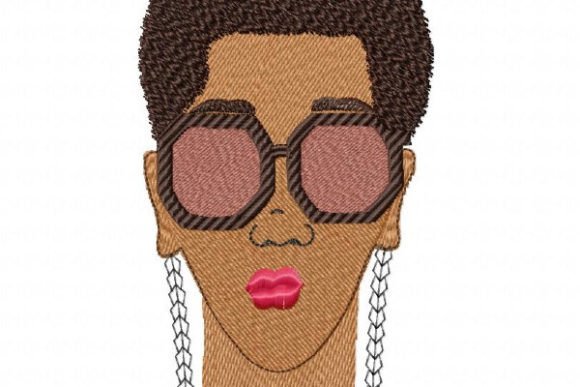
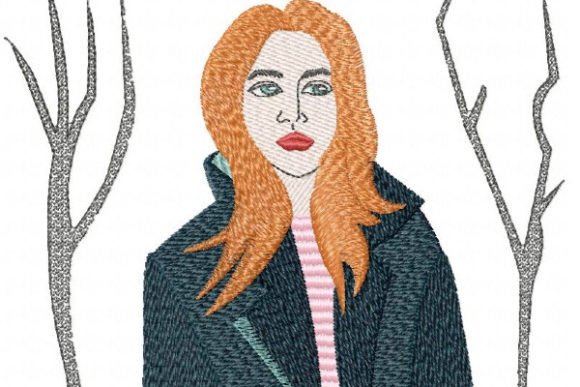
When I first opened the file for Dolly Character, my immediate reaction wasn't about stitch counts or file formats. It was about the mood. There is a specific energy in a design that tells you exactly where it belongs, and Dolly Character screams "playful," "warm," and "inviting." As someone who spends hours evaluating digital assets before they ever touch a needle, I look for designs that hold up under scrutiny, not just in a mockup but after thousands of stitches have been laid down. This piece brings a burst of vibrant colors to your favorite hoodies, jackets, bags, and pillows, crafted with both silk and cotton threads, which suggests a tactile richness that goes beyond standard polyester blends.
The First Impression: Visual Personality and Layout
The layout of Dolly Character feels balanced without being rigid. In the world of machine embroidery design, many characters can feel either too cluttered or too sparse depending on the scale. This design strikes a happy medium. The character likely features a friendly expression with enough detail to be recognizable but not so much that it risks breaking apart during the stitching process. When you look at the color palette described as vibrant, you can imagine how this would pop against a neutral background like denim or canvas.
For an Etsy seller or a small shop owner, the visual personality is everything. Customers don't just buy a product; they buy the feeling it evokes. Dolly Character feels approachable. It has a charm that works well for personalized gifts, whether it's a baby shower present or a custom tote bag for a friend. The use of what appears to be mixed thread types implies a variation in texture that adds depth. If the design utilizes satin stitch for outlines and fill stitch for the body, it will create a smooth, polished finish that elevates the perceived value of the finished product.
Real-World Application: From Screen to Stitch
I recently considered using Dolly Character for a custom embroidered tote bag project intended for a local craft fair. My goal was to create a unique accessory that stood out from the generic printed bags usually found at these events. The thought process was simple: could this design survive the rigors of daily use while maintaining its crispness?
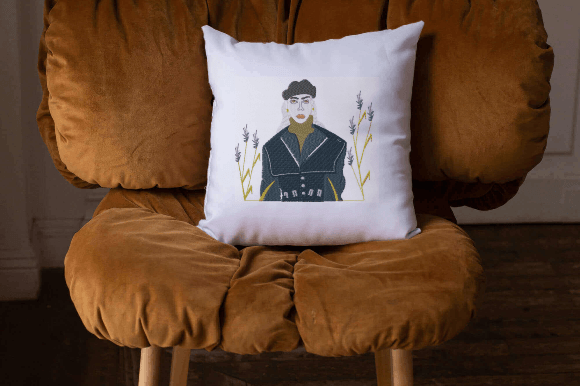
Imagine placing Dolly Character on a sturdy canvas tote. The vibrant colors would catch the eye immediately, drawing attention to the handmade nature of the item. For apparel decorators working on sweatshirts, this design offers a focal point that doesn't overwhelm the garment. It fits perfectly on the chest area of a hoodie or centered on the back of a jacket. The size seems appropriate for accessories, ensuring it remains legible even when the fabric is folded or compressed.
However, not every surface is created equal. I had to think through how this design would translate to different materials. On a soft, stretchy jersey t-shirt, the stability of the design becomes critical. Without proper stabilizer, the character might pucker or distort. But on a structured item like a cap or a patch, the density of the stitches needs to be just right to hold its shape against the curve of the headwear. For holiday embroidery projects, such as a pillow cover or a kitchen towel, the festive potential of the bright colors makes it a strong candidate for seasonal merchandise.
Where to Exercise Caution
Even the best design has limitations, and knowing where Dolly Character should be used carefully is part of professional judgment. Small hoop sizes are a common pitfall. If the design contains intricate details, attempting to stitch it into a 4x4 hoop might result in lost definition. The tiny corners or fine lines could get lost in the fabric weave or merge together, turning a charming character into a blurry blob.
Textured fabrics also require a second look. While the design looks great on smooth cotton, applying it to a heavy tweed or a rough linen might hide the details. Similarly, thin fabrics like sheer curtains or lightweight summer dresses might struggle to support the weight of the thread, especially if the design uses a high stitch density. Dark fabrics present another challenge; while the description mentions vibrant colors, the contrast against a black or navy background must be verified. Sometimes, a lighter thread color gets swallowed by dark fabric unless a specific underlay or backing technique is used.
Curved surfaces like caps demand precision. If the design isn't digitized specifically for curved applications, the character might look stretched or misaligned when viewed from the front. Additionally, products that need frequent washing, like baby clothes or aprons, require robust stitching. If the design relies heavily on long running stitches that aren't secured well, they might snag or unravel over time. Always inspect the design for dense stitch areas that could cause the fabric to bunch up, particularly around the edges of the character.
Impact on Brand and Customer Trust
In the realm of commercial embroidery, the quality of the design directly influences customer trust. A sloppy stitch job or a design that looks pixelated in real life can damage a brand's reputation instantly. Dolly Character, with its promise of vibrant colors and thoughtful construction, has the potential to enhance brand consistency. When customers receive a personalized gift or a boutique product featuring this design, they associate the quality of the embroidery with the quality of the maker.
This design is particularly effective for digital product sellers creating printable mockups. A high-quality rendering of Dolly Character on various backgrounds can help visualize the final product, increasing buyer engagement. However, the key is ensuring that the digital preview matches the physical reality. If the mockup shows perfect clarity but the actual embroidery lacks definition due to poor digitization, the gap between expectation and reality can lead to returns and negative reviews.
Practical Designer Notes for Success
Before committing to a full production run, there are essential steps every designer should take. First, test the design on scrap fabric. This simple step reveals issues with tension, density, or alignment that you might miss in a simulation. Check the thread color contrast carefully; ensure the chosen colors stand out against your target fabric. Review the stitch density to make sure the design isn't too heavy for the material or too light to hold its shape.
Confirming the hoop size is crucial. If the design requires a larger hoop than your machine supports, you may need to split the file or adjust the placement. Inspect small details closely, perhaps zooming in on the screen to see if any elements are too fine to stitch reliably. Test the design in black and white mockups to verify that the shapes remain distinct without relying solely on color differences. Compare light and dark fabric backgrounds to ensure versatility.
Using the proper stabilizer is non-negotiable. Whether you need tear-away, cut-away, or water-soluble stabilizer depends on the fabric and the end use of the item. Finally, check whether the design works for both personal and commercial projects. Licensing terms vary widely, and selling finished items made with a design meant for personal use only can lead to legal trouble. Confirm licensing before selling finished items or digital products to protect your business.
Dolly Character is more than just a cute image; it is a tool for creative entrepreneurs looking to add value to their handmade products. By understanding its strengths and respecting its limitations, you can transform a digital file into a tangible asset that delights customers and builds your brand. Whether you are creating a custom apparel line, crafting personalized gifts, or expanding your Etsy listings, taking the time to evaluate the design ensures that your final product reflects the care and professionalism you put into your craft.