Cellphone Holder Review for Craft Fair Success
As an experienced embroidery designer who has spent countless weekends setting up booths at local craft fairs and online handmade markets, I know that the difference between a design that sits on a shelf and one that flies off the table often comes down to practical appeal. Today, I am reviewing a specific machine embroidery design titled Cellphone Holder. When I first saw this project description, my mind immediately went to the logistics of a busy weekend market: how easy is it to produce in bulk? Does it photograph well? And most importantly, will a customer stop to look at it?
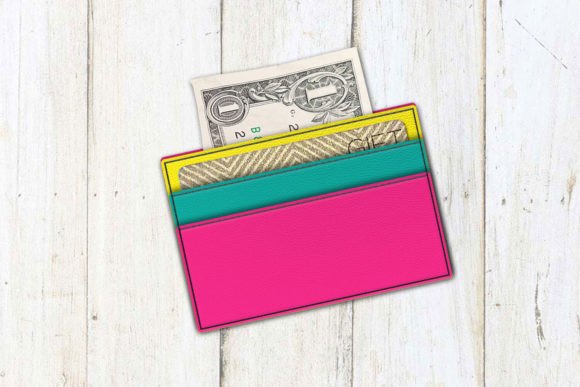
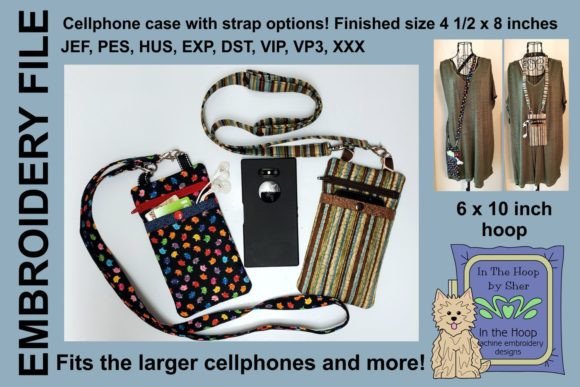
The product falls under the Accessories category within the broader Embroidery sector. The description notes that the bag portion is done completely in the hoop, with a single opening in the lining that can be closed by hand or using fusible tape. This technical detail is crucial for anyone running a small business. It suggests a streamlined production process, which is exactly what you need when trying to fulfill orders for a Saturday morning event.
First Impressions and Market Fit
When evaluating a Cellphone Holder for a booth display, the immediate question is about its visual personality. Based on the title alone, this design feels functional yet modern. In a sea of generic tote bags and aprons, a dedicated phone holder stands out because it solves a specific problem for the buyer. It feels like a premium accessory that elevates everyday utility. For craft fair sellers, items that combine style with function are the ones that generate the highest engagement. Customers love seeing how a design transforms a plain item into something useful.
I imagine this Cellphone Holder sitting alongside embroidered patches, kitchen towels, and small pouches on a velvet-covered table. Its potential to stand out is high because it offers a "wow" factor of utility. Unlike a decorative pillow cover that might feel too large or heavy for impulse buying, a phone holder is lightweight, affordable, and instantly relatable. It fits perfectly into the narrative of a boutique maker who understands the needs of the modern crafter.
Performance Across Product Types
To determine the best path for commercial success, we must look at how this embroidery file performs on various surfaces. A versatile design is a goldmine for an Etsy seller or a digital seller looking to expand their catalog.
- Tote Bag Design: This is likely the primary application. A Cellphone Holder on a canvas tote bag creates a perfect gift set. The bag becomes a functional organizer for phones, keys, and lip balm. It photographs beautifully for printable mockups, showing customers exactly how the finished product looks in use.
- Apron Embroidery: For the home cook or gardener, adding this design to an apron adds a touch of humor and utility. It allows them to keep their hands free while cooking or crafting.
- Tea Towel Embroidery: While less common for a phone holder, placing the design on a tea towel as a decorative accent works well for farmhouse-style decor. However, the functionality is lost here, so it serves more as a decorative piece.
- Embossed Patch: If the design is dense enough, it could work as an embroidered patch to be sewn onto denim jackets or backpacks, expanding the reach beyond just bags.
- Fabric Pouches: The description mentions a lining and an opening. This suggests the design could be applied to a standalone fabric pouch. These are excellent small shop products that sell quickly during the holiday season.
The versatility of this design means you aren't limited to just one SKU. You can offer the design on a tote, a pouch, or even a cap, giving your customers options while keeping your production workflow efficient.
Production Practicality and Batch Efficiency
For a craft fair product to be viable, it must be repeatable. The fact that the bag portion is done completely in the hoop is a significant advantage. It reduces the number of setup steps, allowing you to produce multiple units faster. When you are preparing for a weekend event, time is money. A design that minimizes handling and maximizes machine uptime is essential.
However, the note about closing the opening with hand-stitching or fusible tape introduces a variable. Hand-stitching requires skilled labor and time, which can eat into your profit margins if you are selling at a low price point. Fusible tape or liquid stitch speeds this up significantly. As a designer reviewing this, I would advise testing both methods to see which yields the cleanest finish without damaging the fabric texture. For batch production, consistency is key; you want every item to look identical when displayed side-by-side.
Photographing this for online listings requires attention to lighting. The design should be clear and sharp. If the stitch density is too high, the fabric might pucker, ruining the aesthetic. If it is too light, the design may look washed out. Finding that balance ensures the finished product feels high-quality and justifies a higher price tag.
Careful-Use Notes and Potential Pitfalls
Even the best designs have limitations. Before committing to a full run for a craft fair, you must consider where the design might fail. Dense stitch areas can cause issues on thin fabrics, leading to visible holes or distortion. Tiny details might get lost if the thread colors chosen do not provide enough contrast against the background fabric.
If you plan to use this on dark fabric, ensure the underlay is sufficient to prevent the base color from bleeding through the stitches. Textured towels or thick canvas can also pose challenges; the needle might struggle to penetrate deeply enough, resulting in loose stitches or skipped areas. Similarly, applying this to curved cap surfaces requires careful tension control. Designs that rely on fine lines or small lettering may lose clarity if scaled down too much for a small pouch or a hat brim.
Always inspect the hoop size requirements before starting production. If the design exceeds your standard hoop, you may need to re-digitize parts of it or invest in larger equipment. Confirming these details beforehand prevents costly mistakes and wasted materials.
Strategic Designer Notes for Success
To ensure your Cellphone Holder becomes a bestseller, follow these professional guidelines. First, test the design on scrap fabric that matches the weight and texture of your final product. This helps you visualize the thread colors and check for any unwanted puckering. Second, review the spacing carefully; a crowded design looks messy, while a sparse one looks unfinished.
Confirm that you have the right stabilizer for the job. Heavy-duty stabilizers are often needed for items that will hold weight, like a phone holder, to prevent sagging. Create at least one real mockup to use as a sample for your booth. Nothing sells better than a physical example that customers can touch and examine. Compare different fabric colors to see which makes the design pop the most. Finally, confirm the commercial licensing terms of the digital embroidery file before selling any finished products. Protecting your intellectual property and respecting the original creator's rights is vital for long-term success in the handmade community.
In conclusion, the Cellphone Holder represents a strong opportunity for creative entrepreneurs. It bridges the gap between art and utility, making it a compelling choice for commercial embroidery projects. By paying attention to production details, testing thoroughly, and presenting it effectively in your booth or online store, you can turn this design into a standout item that drives sales and builds your brand reputation.