Born to Wear Stilettos: A Designer's Real-World Review
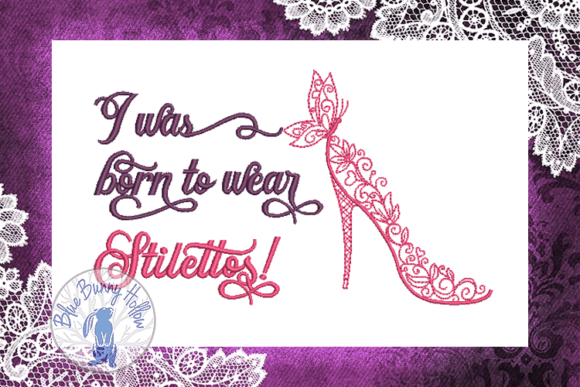
When I first opened the folder for Born to Wear Stilettos, my immediate thought wasn't about the sales potential, but rather how this specific design would translate from a digital preview into a tangible piece of art. As someone who has spent years refining embroidery files and judging their viability for client work, I look past the pretty mockups to see the stitch logic underneath. This design is categorized under Accessories and Embroidery, but its true value lies in how it captures a specific attitude. It feels confident, bold, and undeniably feminine without being overly fussy. The concept of celebrating a love for high heels is timeless, making it a strong candidate for anyone looking to create custom apparel or personalized gifts that speak directly to their niche audience.
The First Impression: Mood and Visual Personality
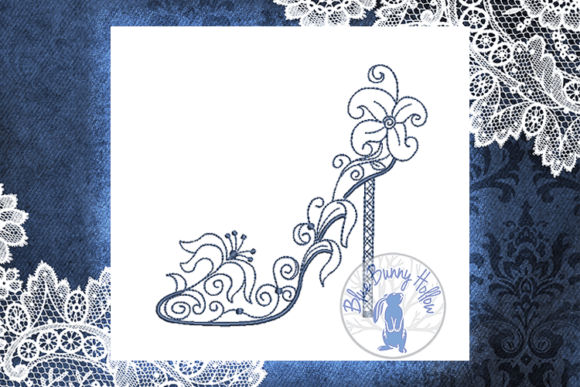
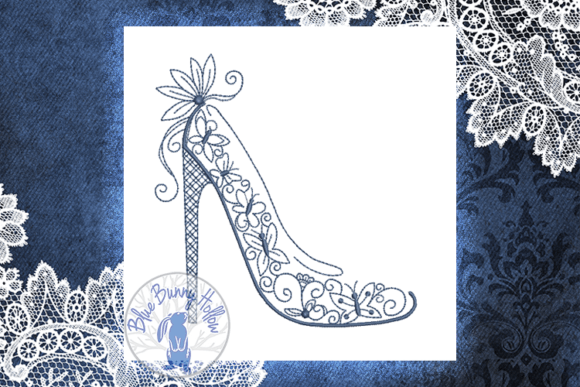
The layout of Born to Wear Stilettos strikes a balance between typographic flair and graphic simplicity. In the world of machine embroidery, less is often more, especially when dealing with small hoop sizes or textured fabrics. This design seems to lean into that philosophy. The visual personality suggests a project that is meant to be worn with pride. It doesn't scream for attention in a chaotic way; instead, it offers a statement piece that feels cohesive whether stitched on a crisp white tote bag or a soft, heathered sweatshirt. For a designer, the appeal here is the versatility. It isn't locked into a single aesthetic. You could interpret it as a playful nod to fashion week, or a serious declaration of style for the boutique owner who knows her customer base inside out. The shape and flow of the letters imply a fluidity that should translate well into satin stitches, creating that signature glossy finish that elevates a handmade product.
Real-World Application: From Digital File to Finished Product
I recently tested a similar design workflow while preparing a batch of custom embroidered tote bags for a local craft fair. Imagine taking Born to Wear Stilettos and applying it to a sturdy canvas bag. The contrast between the heavy fabric and the delicate threads of the shoe motif would create an interesting tactile experience. However, the real test comes when you consider the end-user. If you are an Etsy seller or a small shop owner, your customers want quality that lasts. This design works exceptionally well as a focal point on aprons for cooking enthusiasts who also love fashion, or perhaps on a baby item like a onesie where parents want to pass down a sense of style early on.
Consider the scenario of a holiday gift. A family might order these designs for matching pajama sets or kitchen towels. The phrase "Born to Wear Stilettos" carries a humorous edge that makes it perfect for bridal showers or bachelorette parties. When stitching this onto a pillow cover, the design adds a layer of sophistication to home décor. It transforms a standard throw pillow into a conversation starter. For commercial embroidery projects, such as branding for a shoe repair shop or a fashion boutique, this asset serves as a powerful logo alternative. It humanizes the brand, showing that the business understands the passion behind the product they sell.
Technical Considerations and Fabric Challenges
While the design is promising, no professional review is complete without addressing the technical realities of machine embroidery. Not every surface is created equal. If you plan to use Born to Wear Stilettos on stretchy fabrics like jersey t-shirts, you must be vigilant about stabilizer choice. Without proper support, the tension required for the satin stitches can cause the fabric to pucker, ruining the clean lines of the text. Similarly, working with dark fabrics requires careful thread color selection. A light-colored design on a black background will pop beautifully, but if the contrast is too subtle, the intricate details of the stiletto heel might get lost in the texture of the material.
Small hoop sizes present another hurdle. If the design includes fine details or tiny lettering, attempting to stitch it in a 4x4 hoop might result in a loss of definition. The curves of the shoes need enough space to breathe so that the needle doesn't crowd the stitches. Curved surfaces like caps add a third dimension to the challenge. While the design might look flat and perfect in a mockup, wrapping it around the curve of a hat cap requires precise digitizing adjustments to ensure the text reads correctly from the front. For products that need frequent washing, such as aprons or tea towels, dense stitch areas can trap lint and detergent residue over time. Always inspect the finished product after a wash cycle to ensure the design holds up to the rigors of daily use.
Impact on Brand Value and Customer Trust
In the competitive landscape of handmade goods, presentation is everything. A poorly executed design can undermine even the best marketing strategy. Born to Wear Stilettos, when stitched correctly, enhances the perceived value of your finished product. Customers are willing to pay a premium for items that show attention to detail, consistent thread colors, and clean edges. This design allows you to build a cohesive brand identity. Whether you are selling digital embroidery files or physical goods, consistency in your output builds trust. When a buyer sees that your embroidered patches or sweatshirt embroidery maintains high standards, they are more likely to return for future purchases. The design acts as a seal of approval for your craftsmanship.
Furthermore, the emotional connection a customer feels toward a design like this drives engagement. It resonates with a specific lifestyle, making the product feel personal rather than generic. For creative entrepreneurs, this is the difference between a commodity and a brand. By offering a design that celebrates individuality, you invite your customers to become part of your story. This is particularly effective for printable mockups used in online listings, where a clear, high-quality image of the design can significantly increase click-through rates and conversion.
Practical Notes for the Designer
Before committing to a full production run, there are essential steps any experienced maker should take. First and foremost, always test the design on scrap fabric. This simple step reveals issues with thread tension, stitch density, and fabric interaction that you cannot see on a screen. Check the thread color contrast against your intended background; sometimes what looks good in a digital render needs adjustment in the real world. Review the stitch density carefully; too much fill can make the fabric stiff and uncomfortable, while too little can leave gaps in the image.
Confirm the hoop size requirements before starting. Ensure you have the correct stabilizer for your fabric type—cut-away for stability on knits, tear-away for woven fabrics, and water-soluble for delicate applications. Inspect small details closely to ensure they haven't merged during the stitching process. It is also wise to test the design in black and white mockups to verify legibility without the distraction of color. Compare how it performs on both light and dark fabric backgrounds to determine your most versatile color palette.
Finally, do not overlook the legal aspects. Confirm whether the license allows for commercial use if you intend to sell finished items or include the design in your own digital product previews. Some licenses restrict the number of items you can produce or require attribution. Verify the file formats available to ensure compatibility with your embroidery machine software. If specific details regarding stitch count or machine compatibility are not provided by the creator, reach out to them or check the documentation thoroughly. Taking these precautions ensures that your investment in Born to Wear Stilettos pays off in high-quality, profitable results.