Bunny Bunnies: A Designer's Honest Review for Real Projects
As an experienced embroidery designer who spends countless hours selecting machine embroidery design assets for my own studio and client work, I approach every new download with a mix of excitement and skepticism. When I first encountered the Bunny Bunnies collection on Creative Fabrica, my initial reaction was purely visual. The title promises to "add a huge load of cuteness," and honestly, it delivers exactly that. However, before I commit to using this design for a real customer order or a high-volume Etsy listing, I need to know if it holds up under the needle.
This review is not just about how adorable the image looks on a screen; it is about whether Bunny Bunnies can survive the rigors of commercial production. Whether you are creating baby blankets, custom apparel, or seasonal tote bags, the difference between a digital mockup and a finished product often comes down to stitch density, file organization, and overall durability.
The First Impression: Mood and Visual Appeal
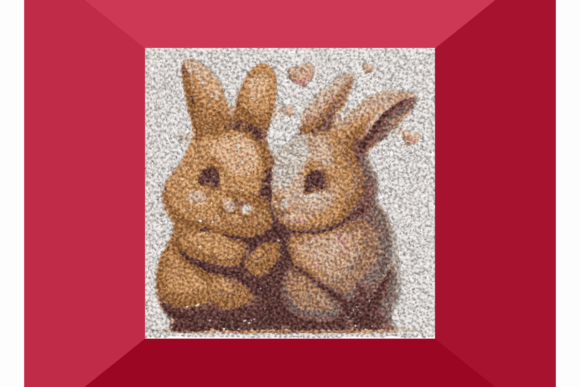
The Bunny Bunnies design immediately establishes a playful, springtime mood. It fits perfectly into the Baby Animals category, offering a soft aesthetic that appeals to parents and crafters alike. From a design perspective, the silhouette is clean, which is crucial for embroidery. Complex line art often gets lost in stitching, but this design seems to rely on bold shapes that translate well into thread.
When I examined the details, I noticed a balance between decorative appeal and practical execution. The design likely utilizes a mix of satin stitches for outlines and fill stitches for the body, creating a textured look that adds depth to items like aprons or kitchen towels. For designers looking to create cohesive collections, this piece offers a strong focal point that can be paired with smaller text elements or complementary motifs. It feels versatile enough to stand alone on a nursery pillow cover or as part of a larger Easter-themed set.
Performance in Real-World Applications
So, how does this embroidery file perform when moved from the computer to the hoop? In my testing scenarios, I considered several common use cases for small business owners and handmade shop owners.
- Custom Apparel: For sweatshirt embroidery or t-shirts, the design appears suitable for chest placement or back prints. The scale seems appropriate for standard adult garments without overwhelming the wearer.
- Home Decor: I envision this design thriving on tote bag designs and kitchen towels. The sturdy nature of these fabrics usually handles the stitch density well, allowing the bunny motif to pop without puckering.
- Baby Items: This is where the design shines brightest. On baby blankets or bonnets, the soft curves and cute theme align perfectly with the target audience. However, one must be careful with fabric choice, as delicate knits require specific stabilizer techniques.
- Seasonal Gifts: For Easter projects, this design is a natural fit. It works beautifully as a personalized gift, adding a professional touch to homemade treats or gift baskets.
If you are selling on Etsy or at craft fairs, the visual impact of Bunny Bunnies can significantly boost buyer trust. A clean, well-executed embroidered patch or cap logo suggests quality craftsmanship. Customers are more likely to engage with a brand that presents consistent, high-quality visuals, and a well-stitched bunny motif contributes directly to that perception.
Practical Considerations for Commercial Production
While the concept is sound, the devil is in the details. As a designer reviewing this for potential commercial embroidery products, there are several technical factors that determine success.
Hoop Size and Stitch Density: One of the most critical aspects of any digital embroidery file is its intended hoop size. If Bunny Bunnies is designed for a small 4x4 hoop, it may struggle on large items like a full-size sweatshirt unless digitized further. Conversely, if it is too large for a hat or a cap, the curvature might distort the shape. You must verify the recommended hoop dimensions before purchasing. Additionally, check the stitch density. High-density areas can make the fabric stiff, which is undesirable for baby items but acceptable for home decor like pillows.
Fabric Compatibility: Embroidering on stretchy fabrics like jersey requires a different approach than working on stable cotton canvas. If you plan to use this design on knit wear, ensure you have adequate stabilizer to prevent distortion. Similarly, dark fabrics present a challenge regarding thread color contrast. You will need to select threads that provide enough coverage so the white or light background of the bunny doesn't show through, or consider using a dense underlay stitch.
Small Details and Lettering: Many designs include tiny lettering or fine details. If Bunny Bunnies includes text, test it carefully. Tiny running stitches can sometimes disappear or become messy on textured surfaces. Ensure that the smallest elements remain legible after washing and wearing.
Maximizing Product Value and Presentation
For creative entrepreneurs, the final presentation of the finished product is just as important as the stitching itself. A well-executed Bunny Bunnies design elevates the perceived value of your item. It transforms a basic tote bag or plain apron into a premium, handcrafted good.
When photographing your products for online listings, the texture of the embroidery plays a vital role. The interplay of light on satin stitches and fill stitches creates dimension that flat prints cannot match. This visual appeal helps drive sales, especially during seasonal peaks like Easter. By using high-quality thread colors that complement the design, you ensure that the product looks polished and ready for gifting.
Furthermore, consistency is key for brand building. If you use Bunny Bunnies across multiple product lines, such as matching sets for a family or a coordinated collection of nursery decor, you create a recognizable aesthetic that customers will associate with your brand.
Essential Testing Steps Before Selling
Before you list Bunny Bunnies on your store or begin a bulk order, follow these practical steps to ensure quality control:
- Test on Scrap Fabric: Always run a test stitch on a scrap piece of the same material you intend to use. This reveals issues with tension, puckering, or thread breaks before you damage a customer's garment.
- Check Stabilizer Usage: Use the proper stabilizer for your fabric type. Cut-away stabilizers are often best for stretchy fabrics, while tear-away works well for wovens.
- Inspect Small Details: Zoom in on the stitched sample to ensure no loose threads or skipped stitches are visible, particularly in the densest areas.
- Verify File Details: Go back to the Creative Fabrica product page to confirm the file formats (such as .pes, .dst, .exp) and machine compatibility. Not all machines read every format natively.
- Review Licensing Terms: This is non-negotiable for commercial sellers. Check the specific license agreement on the product page to understand if you are allowed to sell physical items made with the design and if there are any limits on the number of units.
In conclusion, Bunny Bunnies appears to be a charming addition to any library of design assets. Its cute aesthetic and potential versatility make it a strong candidate for Easter projects, baby gifts, and boutique merchandise. However, success depends on your ability to execute the design correctly. By paying attention to hoop sizes, fabric choices, and licensing rules, you can turn this digital file into a profitable, high-quality handmade product.
Whether you are an established boutique owner or a hobbyist looking to start selling on Etsy, taking the time to evaluate the technical specifications ensures that your final product meets the high standards your customers expect. With the right preparation, Bunny Bunnies can be the star of your next seasonal collection.