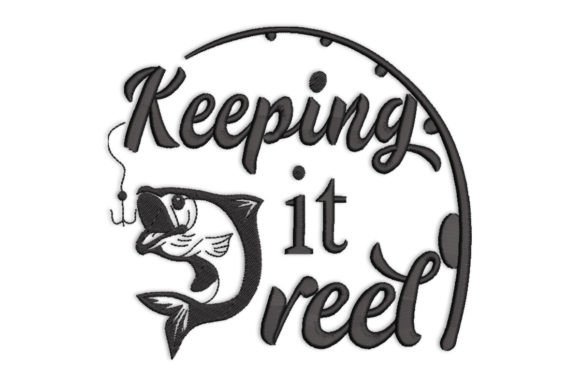
Keeping It Reel: A Designer's Review for Real Projects
As someone who has spent years stitching designs for clients and running a small handmade shop, I know that the difference between a good product listing and a profitable finished item often comes down to one thing: practical design judgment. When Keeping It Reel landed on my desk, it wasn't just another file in a library; it was a potential asset for upcoming holiday gifts, boutique inventory, and custom apparel orders. This review isn't about spec sheets or theoretical stitch counts. It is about how this machine embroidery design actually performs when you put it under the needle on real-world fabrics like canvas totes, soft sweatshirts, and delicate baby clothes.
The First Impression: Whimsy Meets Function
The name Keeping It Reel immediately sets a tone of playful charm. For an embroidery designer, the first step is always assessing the visual personality of the design. Does it feel cluttered? Is it too sparse? From the preview, Keeping It Reel strikes a balance that is perfect for the camping category while remaining versatile enough for general home decor. The layout suggests a relaxed vibe, likely utilizing a mix of satin stitches for definition and fill stitches for texture. This combination is crucial because it dictates how the final piece will feel against the skin and how it will hold up over time.
In a market saturated with generic floral patterns and geometric shapes, a design with a specific theme like fishing or outdoor adventure stands out. However, the true test is whether the whimsy translates into a professional finish. If the lines are too thin or the details too intricate, the design risks looking muddy once stitched. Based on the description of "whimsy and charm," I anticipate that Keeping It Reel relies on clean lines and perhaps some clever negative space, making it an ideal candidate for embroidered patches or clear, bold logos on tote bags.
Real-World Application: From Digital File to Finished Product
Let's imagine a scenario. You are preparing for a busy season and need to create a line of custom aprons for a local bakery or personalized kitchen towels for a wedding gift registry. You pull up the Keeping It Reel embroidery file. The first question any experienced crafter asks is: where does this look best?
This design shines on medium-to-heavy weight fabrics. Imagine stitching it onto a sturdy canvas tote bag. The structure of the fabric supports the density of the stitches without puckering, allowing the "reel" motif to pop with clarity. Similarly, on a cotton pillow cover or a linen tea towel, the design adds a touch of narrative that elevates a standard household item into a thoughtful, handmade product. For Etsy sellers and small business owners, this is exactly the kind of detail that drives engagement. Customers don't just buy a towel; they buy the story and the aesthetic represented by the design.
However, the versatility doesn't stop at home goods. Think about custom apparel. If you are decorating a sweatshirt or a fleece jacket, Keeping It Reel can serve as a focal point on the chest or back. The whimsical nature of the design works well for casual wear, appealing to hobbyists and makers who want their gear to reflect their interests. For those selling digital embroidery files, this design is a strong addition to a portfolio aimed at craft businesses looking for unique assets that aren't overused.
Where Caution is Key
While the design is charming, no single embroidery file is a magic bullet for every situation. There are specific scenarios where Keeping It Reel might struggle if not handled with care. One of the most common pitfalls in our industry is attempting to use a detailed design on a curved surface like a baseball cap. Unless the design is specifically digitized for caps, the distortion around the curve can ruin the symmetry and readability of the text or imagery.
Furthermore, consider the fabric texture. If you are working with a highly textured knit or a very thin, stretchy material, the stabilizer choice becomes critical. Without proper backing, the tension of the machine embroidery design could cause the fabric to pucker, turning a lovely project into a frustrating mess. Dark fabrics also present a challenge. If the design relies on light thread colors for its charm, you may need to add a tear-away underlay or choose a contrasting background fabric to ensure the details remain visible. Always inspect the small details in the design before committing to a full run; tiny elements can sometimes get lost in the stitching process if the hoop size is too small.
Visual Appeal and Customer Trust
In the world of handmade products, presentation is everything. A well-executed design builds customer trust. When a buyer sees a finished product featuring Keeping It Reel, they should see precision and intentionality. The stitch density needs to be consistent to avoid gaps or clumps of thread, which can make a product look cheap. If the design is used correctly, it enhances the perceived value of the item, justifying a higher price point for your boutique merchandise or personalized gifts.
For commercial embroidery projects, consistency is vital. If you are fulfilling an order for ten matching items, the design must register perfectly each time. This requires testing the embroidery file on scrap fabric first. By doing so, you can verify that the thread colors provide the right contrast and that the stitch density is appropriate for the fabric type. A design that looks great on a computer screen can behave differently on actual cloth, especially when dealing with different thread brands and types.
Practical Notes for the Serious Designer
Before you start stitching, there are a few non-negotiable steps to ensure success. First, check the licensing terms. Are you allowed to sell finished items made with this design? Do you have the rights to resell the digital file itself? These questions protect your craft business from legal issues later on.
Second, always test the design in black and white mockups. This helps you visualize the contrast and layout without being distracted by color choices. Third, confirm the recommended hoop size. Trying to fit a large design into a small hoop often leads to misalignment or incomplete stitching. Finally, pay attention to the stabilizer. Whether you use cut-away or tear-away, the support system is what keeps the finished product looking professional after multiple washes.
If you are an Etsy seller or a creative entrepreneur, using Keeping It Reel thoughtfully can set your brand apart. It offers a blend of fun and functionality that resonates with customers looking for something special. Whether it ends up on a holiday gift, a nursery decor item, or a custom patch, the key is to treat the design with respect. Understand its limitations, prepare your materials correctly, and let the craftsmanship speak for itself.
Ultimately, Keeping It Reel is more than just a pattern; it is a tool for expression. When used with the right technique and material knowledge, it transforms simple fabrics into memorable keepsakes. For anyone looking to expand their collection of design assets or enhance their embroidery project offerings, this design deserves a spot in your workflow. Just remember to test, plan, and execute with the confidence that only comes from experience.