Autumn Leaves Mug Rug: A Designer's Real-World Review
As a professional designer who has spent years evaluating embroidery files for both personal workshops and commercial client work, I approach every new download with a mix of excitement and skepticism. The market is flooded with digital assets, but finding one that balances aesthetic charm with technical feasibility is rare. Today, I am putting the Autumn Leaves Mug Rug design through its paces to see if it truly earns a spot in my production workflow. This isn't just about looking pretty; it is about whether this design holds up when stitched on real fabric, worn by customers, or sold as part of a handmade business inventory.
The First Impression: Mood and Layout
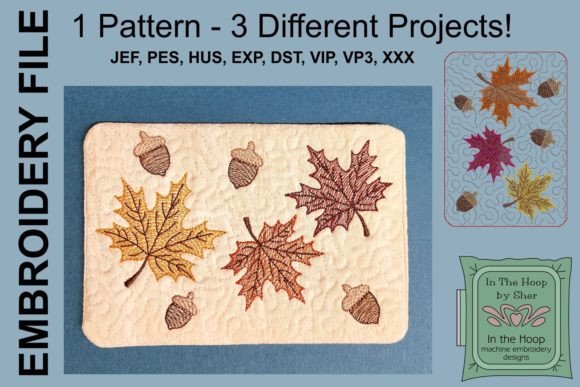
When you first open the file, the immediate takeaway from the Autumn Leaves Mug Rug is its warmth. Unlike generic geometric patterns that can feel cold or corporate, this design evokes the cozy atmosphere of a crisp fall morning. The layout is centered and balanced, featuring vibrant foliage that suggests a natural, organic flow rather than rigid symmetry. For a mug rug, which is inherently a functional piece meant to sit on a desk or table, the composition works perfectly. It frames the space without overwhelming it.
The visual personality here is distinct. It feels like something you would find in a boutique kitchen or a curated coffee shop. The detail level appears sufficient to catch the eye from a distance while offering enough texture to satisfy a close inspection. However, as an experienced reviewer, I know that what looks good on a screen often translates differently under the needle. The initial assessment is positive, but the true test lies in how the design behaves during the stitching process.
Real-World Application: From Screen to Stitch
Let's imagine a practical scenario. I am preparing a custom order for a local coffee shop that wants branded merchandise for their autumn seasonal launch. They need aprons, tote bags, and perhaps some holiday gift sets. My goal is to create a cohesive look that screams "fall" without looking tacky. The Autumn Leaves Mug Rug comes into play here as a potential centerpiece for these items.
On a heavy cotton canvas tote bag, the design would likely shine. The dense fill stitches required for the leaves would provide a nice tactile contrast against the rougher fabric texture. When paired with a dark navy or charcoal bag, the vibrant colors of the leaves would pop, creating a high-end look that justifies a higher price point for an Etsy seller or craft fair vendor. Similarly, for a baby item like a soft muslin blanket, the rounded shapes of the leaves are gentle and non-threatening, making it an excellent choice for nursery decor.
I also considered using this design for a personalized gift project. Imagine embroidering the pattern onto a linen tea towel for a wedding shower. The theme fits the seasonality of many autumn weddings, and the size is ideal for a standard 5x7 hoop. If executed well, the finished product would have a professional polish that elevates the perceived value of the gift. It transforms a simple household item into a keepsake.
Technical Performance and Stitch Clarity
When evaluating any machine embroidery design, stitch density and clarity are paramount. The Autumn Leaves Mug Rug relies heavily on fill stitches to create the body of the leaves and satin stitches for outlines. In my experience, fill stitches can sometimes trap lint or cause puckering if the stabilizer isn't chosen correctly. This design seems to strike a balance, avoiding overly dense areas that might distort the fabric, which is crucial for items like sweatshirt embroidery where the material is thick and prone to shifting.
However, there are nuances to consider regarding thread colors. To achieve the "vibrant" look described in the product details, the color palette must be carefully selected. Using standard polyester threads on a dark background might require a double layer of stitching or a specific underlay sequence to ensure the colors don't get lost. I would advise testing the thread colors against the final fabric before committing to a full production run. A single misaligned color could ruin the harvest aesthetic.
Where to Use It (And Where to Be Careful)
While this design is versatile, it is not a one-size-fits-all solution. There are specific scenarios where caution is required. For instance, attempting to stitch this on a small hoop size might result in cropping issues if the design pushes the boundaries of the frame. Always verify the hoop size requirements before starting.
Textured fabrics, such as bouclé or heavy terry cloth, can be problematic. The needle may struggle to penetrate deeply enough to form clean stitches, leading to loose loops or skipped stitches. Similarly, stretchy fabrics like jersey knit require a strong tear-away or cut-away stabilizer to prevent the design from distorting as the fabric moves. Without proper stabilization, the intricate leaf details could warp, ruining the embroidery project.
Dense stitch areas should also be monitored. If the design includes tiny lettering or very fine decorative accents, these might not hold up well on thin fabrics or after frequent washing. For products that need to withstand industrial laundering, such as restaurant aprons, I would recommend reinforcing the edges or adjusting the stitch length slightly to reduce stress on the fibers. Additionally, applying this to curved surfaces like caps requires significant expertise in hooping and tension management to avoid distortion at the corners.
Impact on Brand and Customer Trust
In the world of craft business and small shop products, the quality of the embroidery speaks volumes about the brand. A sloppy execution of a beautiful design can lead to returns and negative reviews. Conversely, a crisp, well-stitched Autumn Leaves Mug Rug builds trust. Customers associate neat stitching with professionalism and care.
This design has the potential to enhance brand consistency. If a maker uses this motif across various items—pillow covers, patches, and kitchen towels—they create a recognizable visual identity. The warm, inviting nature of the leaves makes the brand feel approachable and human-centric. For commercial embroidery projects, this kind of emotional connection is vital. It turns a generic product into a desirable asset.
Furthermore, the design's versatility supports personalized gift offerings. Adding a name or date alongside the leaves creates a unique item that buyers are willing to pay a premium for. It adds a layer of thoughtfulness that generic mass-produced goods simply cannot match.
Practical Designer Notes for Implementation
Before integrating the Autumn Leaves Mug Rug into your workflow, there are several steps every designer should take. First, always test the design on scrap fabric that matches the weight and type of your final project. This reveals how the fabric reacts to the needle and helps you adjust tension settings.
Review the stitch density within your digitizing software. If the fill areas seem too tight, consider loosening them slightly to allow the fabric to breathe and prevent puckering. Check the file formats to ensure compatibility with your machine, though specific details should be confirmed in the product documentation.
Inspect small details closely. Are the leaf tips sharp, or do they appear rounded due to digitization limitations? If you plan to use this for digital product previews or printable mockups, ensure the image resolution is high enough to show off the texture. Comparing light and dark fabric backgrounds is also essential; a design that looks great on white might disappear on black without a contrasting underlay.
Finally, confirm the licensing terms. Are you allowed to sell finished items made with this design? Does the license cover commercial use for multiple shops? Understanding these legalities protects your creative entrepreneur status and ensures you aren't inadvertently infringing on rights. By following these guidelines, you can transform the Autumn Leaves Mug Rug from a simple digital file into a cornerstone of your handmade collection.