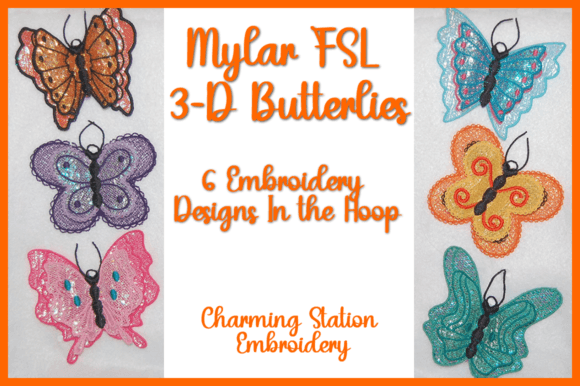
Mylar FSL 3-D Butterflies Design Review
As a professional embroidery designer who has spent years crafting assets for small business owners and handmade brands, I know that selecting the right machine embroidery design is about more than just aesthetics. It is a strategic decision that impacts your brand identity, customer trust, and the perceived value of your finished product. Recently, I evaluated the Mylar FSL 3-D Butterflies set to determine its viability for commercial applications ranging from staff uniforms to boutique merchandise. This review focuses on how this specific design performs when integrated into real-world business scenarios.
First Impressions: A Blend of Playful and Premium
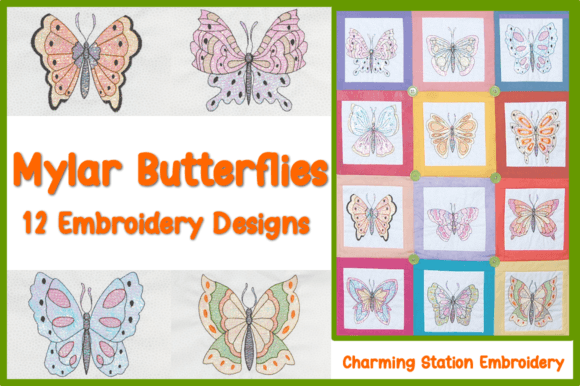
The title Mylar FSL 3-D Butterflies immediately suggests a design with depth and visual interest. Upon reviewing the description, which highlights six lovely Free Standing Lace (FSL) butterflies designed to be sewn with a layer of Mylar, my first impression was one of versatility. The inclusion of Mylar promises a "sparkle" factor that elevates the piece from a standard decorative element to a premium accent. This combination feels friendly yet elegant, making it suitable for a wide array of industries including bakeries, florists, pet brands, and creative studios.
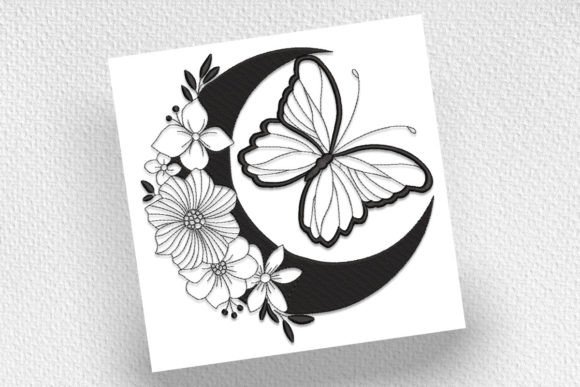
The fact that each butterfly features two distinct designs—one for the top wings and one for the bottom—indicates a thoughtful construction process. For a small business owner looking to create custom apparel or branded patches, this duality offers the potential for intricate layering. It transforms a simple bug motif into a sophisticated design asset that can serve as a focal point on a tote bag, a subtle detail on an apron, or a standout logo on a cap. The aesthetic leans towards modern and playful but retains enough structure to look professional in a commercial setting.
Real-World Application for Small Business Merch
In the world of small business merch, the ability to create unique, tactile items is crucial for standing out in a crowded market. The Mylar FSL 3-D Butterflies design excels in scenarios where texture and dimension are desired. Unlike flat embroidery, the Free Standing Lace technique allows these butterflies to stand away from the fabric, creating a 3-D effect that catches the light, especially when the Mylar layer is utilized.
I envision this design being highly effective for embroidered patches. Because FSL designs do not require a backing fabric, they can be trimmed and applied to various surfaces with ease. Imagine a local café using a large, sparkling butterfly as a chest logo accent on barista aprons. Or consider a boutique selling handmade soaps; attaching a smaller version of this design to the product packaging adds a touch of luxury that customers will notice immediately. For Etsy sellers and craft business assets, these butterflies serve as excellent branding tools that reinforce a handmade presentation while maintaining high-quality standards.
The design also translates well to event merchandise and customer gifts. Whether it is a wedding favor, a corporate giveaway, or a promotional item for a craft fair, the shimmering quality of the Mylar adds a sense of occasion. It works particularly well on tote bags, where the weight of the lace holds up against daily use, or on caps, where the 3-D element provides a stylish break from traditional flat logos. However, for embroidered patch applications on uniforms, the stability of the lace must be considered to ensure it withstands frequent wear.
Strategic Considerations and Potential Pitfalls
While the visual appeal is undeniable, a professional review must address where the design requires careful handling. The primary concern with any FSL design is the structural integrity at smaller sizes. If you plan to use Mylar FSL 3-D Butterflies as a tiny chest logo or on a small product label, the fine details of the lace may become lost or prone to snagging. Testing the design at its intended final size is non-negotiable before committing to a production run.
Curved surfaces, such as the front of a cap, present another challenge. While the 3-D nature of the butterfly adds character, it may not lay perfectly flat against a tight curve without additional reinforcement. Furthermore, high stitch density can sometimes make the design feel stiff, which might be undesirable for soft garments like t-shirts but perfect for structured items like hats or bags. Dark uniforms can sometimes hide the sparkle of the Mylar if the thread colors chosen do not provide sufficient contrast, so reviewing thread color options is essential.
Items that require frequent washing, such as work shirts or heavy-duty aprons, demand extra attention. The delicate nature of lace means that without proper stabilizer support during the stitching process, the design could distort or tear over time. Additionally, detailed outlines on textured fabrics may result in uneven stitches, affecting the overall finish. It is vital to inspect spacing and confirm hoop size limitations to ensure the design fits within the machine's capabilities without compromising the integrity of the lace.
Impact on Brand Identity and Customer Perception
In the competitive landscape of digital embroidery file buyers and product designers, every visual cue contributes to your brand story. Using Mylar FSL 3-D Butterflies signals a commitment to quality and creativity. The added dimension and sparkle suggest that the brand values attention to detail, which directly influences customer trust and recognition. When a customer sees a beautifully executed 3-D patch on a tote bag or a uniform, it elevates the perceived value of the entire product line.
This design fosters buyer engagement by offering a sensory experience beyond the visual. The texture invites touch, and the shine draws the eye, making the brand memorable. For businesses aiming for a visual consistency across their custom apparel and printable mockup materials, this design acts as a versatile anchor. It bridges the gap between rustic handmade charm and modern elegance, allowing brands to maintain a cohesive look whether they are selling artisanal goods or professional services.
Essential Designer Notes for Production
Before integrating this design into your commercial projects, there are several technical steps every embroiderer should take. First, test the design in black and white to ensure the stitch density and outline clarity hold up without relying solely on color contrast. Check if the design works effectively at the smallest patch size you intend to produce; if the lace becomes too fragile, you may need to adjust the scale or add a backing.
Review thread color contrast carefully, especially since the Mylar layer reflects light differently than standard threads. Inspect the spacing between the wings to prevent them from tangling during the embroidery process. Confirm the required hoop size to avoid clipping issues, and always test on the actual fabric you intend to use rather than a swatch, as fabric texture significantly affects the outcome. Using a proper stabilizer is critical for Free Standing Lace to ensure the final product maintains its shape.
Create a realistic mockup for client approval to visualize how the 3-D element will look in context. Compare this design asset beside other elements of your brand to ensure it complements existing graphics. Finally, and most importantly, confirm the commercial licensing terms associated with the embroidery file. Ensure you have the legal right to use the design on products you sell, as some licenses restrict commercial application. By following these guidelines, you can maximize the potential of Mylar FSL 3-D Butterflies and deliver exceptional results for your small business.