Feather Sketch Review for Small Business Merch
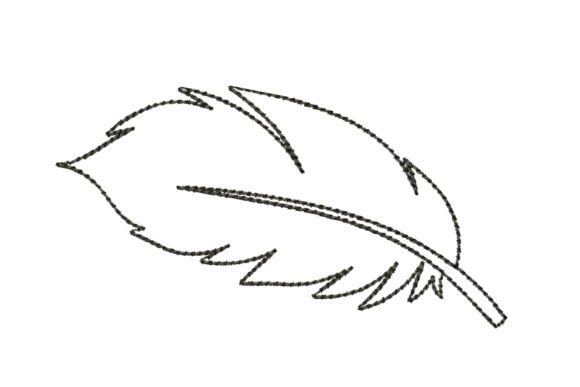
As an experienced embroidery designer who has spent years refining digital files for commercial use, I often receive requests to evaluate new designs before they are committed to production. Today, I am reviewing Feather Sketch, a design categorized under Birds and Embroidery. This piece is described as an elegant and intricate pattern depicting a graceful feather, ideal for adding nature-inspired beauty to textile projects. But does it hold up when moving from a creative concept to a tangible asset for a small business? In this review, I will analyze how Feather Sketch performs as a tool for brand identity, staff uniforms, and custom apparel.
First Impressions: Personality and Visual Tone
The moment you load the embroidery file into your digitizing software, the personality of Feather Sketch becomes apparent. The title suggests something artistic and hand-drawn, while the description promises elegance and intricacy. Visually, this design strikes a balance between rustic charm and premium sophistication. It feels less like a generic clip-art image and more like a bespoke design asset intended for brands that value craftsmanship.
For a boutique owner or a creative studio, this aesthetic is crucial. It conveys a sense of care and attention to detail that customers can physically feel. Whether used on a soft tote bag or a structured cap, the Feather Sketch design brings a touch of organic grace that elevates the perceived value of the finished product. It is not overly bold or aggressive; instead, it offers a friendly yet professional look that fits well with florists, bakeries, pet brands, and handmade shops looking to establish a warm, welcoming brand identity.
Real-World Application for Small Business Merch
The true test of any machine embroidery design lies in its versatility across different merchandise types. Feather Sketch shows significant potential as a standalone logo accent or a secondary branding element. Here is how I envision this design functioning in real-world commercial scenarios:
- Embroidered Patches: The intricate lines of the feather make it an excellent candidate for a sew-on patch. When applied to denim jackets, backpacks, or limited-edition tees, it acts as a badge of quality. A well-executed Feather Sketch patch signals to the customer that the brand pays attention to the details of their products.
- Staff Uniforms and Aprons: For a café or a bakery, placing a subtle feather motif on the chest of a work shirt or the pocket of an apron adds a unique flair without being distracting. It humanizes the uniform, making the staff appear approachable and artistic rather than purely corporate.
- Caps and Headwear: Cap embroidery requires careful consideration of curvature and size. Feather Sketch could serve as a perfect side-panel detail or a centered chest logo if scaled correctly. Its flowing lines follow the natural curve of a hat brim beautifully.
- Tote Bag Design: As a mark for a shopping bag, this design reinforces the "eco-friendly" or "handmade" narrative often associated with tote bags. It transforms a simple canvas carrier into a walking advertisement for the brand's aesthetic.
- Product Packaging Accents: Imagine a small tag attached to a candle box or a jewelry pouch featuring this feather. It adds a tactile layer of luxury to the unboxing experience, increasing customer engagement and retention.
Strategic Considerations and Potential Pitfalls
While Feather Sketch is visually appealing, every professional designer knows that what looks good on a screen does not always translate perfectly to fabric. There are specific areas where this design requires caution during production.
Small Patch Sizes: Because the description highlights the design as "intricate," scaling it down too much can be risky. If the feather details are too fine, they may blur together when stitched at a small size, losing the elegant definition. Always ensure the design retains clarity when reduced for smaller applications.
Curved Surfaces and Caps: Embroidering on a curved surface like a cap front can distort detailed outlines. The density of the stitches might cause puckering if the underlying fabric is thin or stretchy. Testing on the actual garment material is essential before running a full batch.
Stitch Density and Fabric Texture: High stitch density can make a design stiff and heavy. On delicate fabrics, this can lead to tearing or visible distortion. Conversely, on textured fabrics like thick wool or coarse linen, the finer details of the feather might get lost. You must match the thread colors and stitch density to the specific fabric texture you are using.
Detailed Outlines on Dark Uniforms: If applying this to dark-colored work shirts, the contrast of the feather sketch against the background is vital. Without a proper underlay or sufficient thread coverage, the design may appear muddy. Ensure you have enough contrast in your thread colors to maintain the integrity of the sketch style.
Impact on Brand Identity and Customer Trust
In the world of small business merch, visual consistency is key to building trust. Customers subconsciously associate the quality of embroidery with the quality of the product inside the package. A crisp, well-placed Feather Sketch design suggests that the business values precision and artistry.
When a customer sees a high-quality embroidered logo on a tote bag or a uniform, it validates their purchase decision. It moves the brand perception from "cheap mass-produced item" to "curated, handmade product." This design specifically supports a narrative of natural beauty and elegance, which can be a powerful differentiator in crowded marketplaces like Etsy or local craft fairs. It helps create a cohesive visual language that makes your brand instantly recognizable.
Practical Designer Notes for Production
Before committing to a large run of commercial embroidery projects using Feather Sketch, I recommend following these technical steps to ensure a flawless finished product:
- Test in Black and White First: Convert the design to grayscale to check the flow and spacing of the stitches without the distraction of color.
- Verify Stitch Density: Check the digitization settings to ensure the feather lines are not too dense, which could cause needle breakage or fabric damage.
- Review Thread Color Contrast: Select thread colors that provide maximum visibility while maintaining the elegant tone of the sketch.
- Inspect Spacing and Hoop Size: Confirm that the design fits within your standard hoop size and allows for adequate margin around the edges.
- Test on Real Fabric: Never guess. Run a sample on the actual fabric type (e.g., cotton twill, polyester blend) to see how the stabilizer interacts with the material.
- Use Proper Stabilizer: Depending on the fabric weight, choose the correct cut-away or tear-away stabilizer to prevent puckering.
- Create a Printable Mockup: Before stitching, generate a printable mockup to show clients or stakeholders exactly how the Feather Sketch will look on the final product.
- Confirm Commercial Licensing: Ensure you have the appropriate rights to use this digital embroidery file for resale items.
By taking these precautions, you transform a beautiful digital file into a reliable asset for your business. Feather Sketch has the potential to become a signature element of your brand, provided it is executed with the technical expertise required for professional results.