Rubber Duck Applique Review for Gift Makers
As an experienced embroidery designer, I spend a lot of time testing new files before adding them to my shop or using them on client orders. Recently, I received the Rubber Duck Applique design with the intention of creating a line of personalized gifts for a baby shower and a small boutique that specializes in nursery items. My goal was to see if this specific machine embroidery design could stand out in a crowded market while delivering the high quality that customers expect from handmade products.
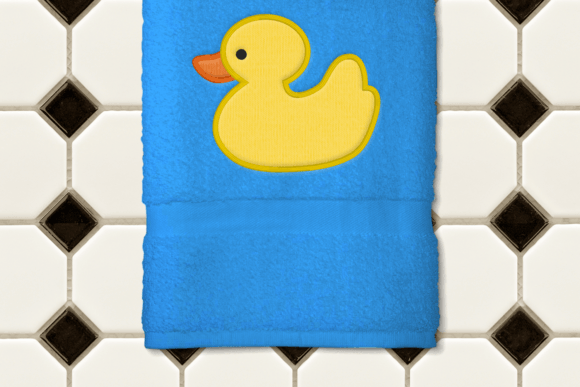
The first impression of the Rubber Duck Applique is undeniably sweet and playful. Unlike many digital designs that feel stiff or overly modern, this applique design carries a sense of nostalgia and warmth. It feels like a classic toy found in a vintage nursery, which immediately suggests its potential as a meaningful gift. The mood is lighthearted but elegant enough to fit into a sophisticated baby shower theme or a cozy wedding keepsake collection. For an Etsy seller looking to attract buyers who value emotional connection and charm, this design hits the mark perfectly.
From Digital File to Finished Product
When reviewing how this embroidery file translates to real-world applications, the versatility becomes clear. The description notes that it is great for towels and babies, but in my testing, the possibilities extend far beyond those two categories. Imagine taking this design and stitching it onto a soft cotton muslin blanket. The applique technique adds a tactile dimension that flat stitching cannot achieve, making the finished product feel more substantial and valuable.
I also tested the concept of using this design on embroidered towels for a kitchen setting. While often associated with bathrooms, a rubber duck motif works wonderfully on aprons or tea towels given to newlyweds as a wedding gift. It bridges the gap between a practical household item and a sentimental piece of decor. For a small business owner, this means one digital embroidery file can generate multiple revenue streams: custom tote bags for craft fairs, pillow covers for home decor shops, or even personalized aprons for culinary enthusiasts.
The perceived value of the final product increases significantly when using applique techniques. Customers often associate applique with higher effort and craftsmanship compared to standard satin stitch designs. When photographing these items for listings, the added texture of the fabric layers creates depth in the image, leading to better buyer engagement. A photo of a baby blanket featuring the Rubber Duck Applique will naturally draw the eye, suggesting a handmade product that requires care and attention to detail.
Strategic Applications for Personalized Gifts
One of the most compelling aspects of this design is its adaptability for personalization. Whether you are a digital product seller offering mockups or a physical maker fulfilling custom orders, the Rubber Duck Applique serves as a perfect anchor for customization. You might add a child's name in a complementary font nearby, turning a generic design into a cherished family keepsake.
For baby embroidery projects, the design is ideal. It fits the whimsical nature of nursery decor without being too complex for young children to appreciate later. It is equally effective for wedding gifts, where it can symbolize a fresh start or a playful addition to a new home. If you are selling on platforms like Etsy, this design allows you to create targeted collections. You could launch a "Bath Time" series featuring embroidered towels, or a "Nursery Essentials" line including pillow covers and blanket embroidery.
The design also appeals to the community of craft fair vendors. A booth displaying tote bags or aprons with this charming applique would likely attract families and couples looking for unique, handcrafted items. The emotional appeal of the rubber duck—a universal symbol of comfort and childhood—creates an instant connection with the buyer. This connection is crucial for small shop owners trying to build trust and repeat business.
Technical Considerations and Fabric Choices
While the design is charming, there are specific areas where a designer must exercise caution to ensure the Rubber Duck Applique performs well. Applique work relies heavily on the stability of the base fabric and the precision of the cut edges. Therefore, using textured fabrics like heavy terry cloth or thick towels requires careful planning. The needle may struggle to penetrate dense loops if the stabilizer is not adequate, potentially causing puckering or misalignment.
Stretchy baby clothes present another challenge. While soft knits are desirable for infant wear, they require a strong stabilizer system to prevent the design from distorting during wear and washing. I recommend testing the design on scrap fabric that matches the intended garment weight before committing to a customer order. Additionally, dark fabric can sometimes hide the details of an applique if the contrast thread colors are not chosen carefully. Always compare light and dark fabric mockups to ensure the duck stands out clearly.
Small lettering placed near the applique should be avoided if the design area is already busy. Delicate details within the duck itself might get lost on curved surfaces like rounded hat brims or tapered tote bag bottoms. The hoop size used during stitching is critical; if the design exceeds the stable area of your hoop, the tension may vary across the piece, ruining the symmetry of the applique. Before selling finished products commercially, confirm the commercial licensing terms of the file to avoid any legal issues.
Essential Embroidery Notes for Success
- Test on Scrap Fabric: Always run a test stitch on the same material you plan to use for the final product to check for tension and color balance.
- Check Thread Color Contrast: Ensure the thread colors pop against the background fabric, especially for applique which relies on layer visibility.
- Confirm Hoop Size: Verify that your machine's hoop can accommodate the design dimensions without cutting off parts of the duck.
- Review Stitch Density: High density can make applique bulky and difficult to press; ensure the design is optimized for the fabric type.
- Use Proper Stabilizer: Heavyweight cut-away stabilizers are often necessary for towels and blankets to maintain shape after washing.
- Check Small Details: Inspect the stitched output closely to ensure all applique pieces are secured and no loose threads remain.
- Commercial Licensing: Double-check the license agreement to ensure you are permitted to sell finished goods made from this digital embroidery file.
In conclusion, the Rubber Duck Applique is a versatile and heartwarming addition to any embroidery designer's toolkit. Its ability to transform simple items like towels and pillows into premium personalized gifts makes it a smart investment for small business owners and crafters. By paying attention to fabric selection, stabilization, and color contrast, you can create stunning finished products that resonate with customers seeking handmade quality. Whether for a baby shower, a wedding, or a nursery update, this design offers a delightful way to bring joy through the art of embroidery.