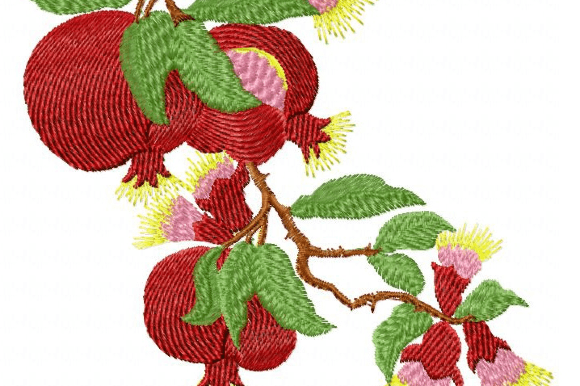
Pomegranate Fruits Embroidery Review
As an experienced embroidery designer who has spent years refining digital files for commercial use, I often find myself evaluating a design not just for its aesthetic appeal, but for its viability in the real world of small business merchandise. When I first encountered the Pomegranate Fruits machine embroidery design, my initial reaction was one of curiosity regarding its potential to elevate brand identity for artisanal businesses. The description promises a celebration of nature's bounty crafted by skilled artisans, which immediately signals a rustic yet premium feel suitable for handmade product lines.
This review focuses on how this specific design performs when applied to practical business assets like embroidered patches, staff uniforms, and custom apparel. Whether you are an Etsy seller looking to upgrade your packaging or a boutique owner needing durable branded gear, understanding the nuances of a design is crucial before hitting the stitch button.
First Impressions: Personality and Visual Impact
The Pomegranate Fruits design carries a distinct visual personality that leans towards organic, vibrant, and welcoming. In the context of food-related branding, it strikes a balance between playful and elegant. For a bakery, café, or florist, this design offers more than just decoration; it communicates a story of natural ingredients and careful craftsmanship. The imagery suggests a connection to the earth, making it an excellent choice for businesses that want to emphasize their handmade origins.
When placed on a tote bag or a cap, the design feels bold enough to stand out without being overwhelming. It possesses the kind of character that invites customer engagement. A well-executed embroidered patch featuring these fruits can serve as a subtle badge of honor on a denim jacket or a professional apron, instantly signaling quality to the wearer. However, the success of this visual impact relies heavily on execution. The density of the stitches and the choice of thread colors will determine whether the design looks crisp and professional or muddy and cluttered.
Real-World Application for Small Business Merch
For small business owners, every dollar spent on merchandise must yield a return in brand recognition. The Pomegranate Fruits digital embroidery file is versatile enough to be adapted for various high-value items. Imagine a local coffee shop using this design as a chest logo accent on their barista aprons. The organic shape of the fruit complements the warm tones often found in café interiors, creating a cohesive visual language.
- Custom Apparel: On work shirts or t-shirts, the design serves as a unique identifier. It transforms standard uniform pieces into branded assets that employees are proud to wear.
- Embroidered Patches: Creating a sew-on or iron-on patch with this motif allows for flexibility. You can attach them to beanies, bags, or even client gifts, adding a tactile element that printed logos cannot match.
- Tote Bag Design: A large-scale application on canvas totes makes for an excellent promotional item at markets or trade shows. The durability of embroidery ensures the image survives repeated washing and carrying.
- Craft Business Assets: For sellers on platforms like Etsy, including a tag with this design adds a layer of professionalism to product packaging, reinforcing the value of the handmade goods inside.
The design also works well as a sleeve detail on jackets or a central motif on caps. By integrating Pomegranate Fruits into these touchpoints, businesses create a consistent experience that builds trust with their audience. Customers often associate the quality of the embroidery with the quality of the product itself.
Strategic Considerations and Limitations
While the design has immense potential, there are specific scenarios where caution is required. Not all surfaces are created equal, and the complexity of the design must be matched to the application. If you plan to use this design on very small patch sizes, you must be wary of losing detail. Tiny lettering or intricate outlines within the fruit texture may become indistinguishable if the scale is too reduced.
Curved surfaces, such as the front panel of a baseball cap, present another challenge. The design needs to be digitized with proper curve compensation to ensure the fruit shapes do not distort when stitched onto the rounded fabric. Similarly, textured fabrics like heavy wool or coarse linen can sometimes obscure fine details. If the fabric texture is too prominent, the definition of the Pomegranate Fruits might be lost.
Dark uniforms require careful thread color selection. High stitch density is necessary to cover dark backgrounds effectively, but excessive density can cause puckering on lighter or thinner materials. Furthermore, items that undergo frequent industrial washing need to be evaluated for thread longevity. While embroidery is generally durable, the specific thread colors used for the reds and greens of the pomegranate must be colorfast to prevent fading over time.
Building Brand Identity Through Texture
In the crowded marketplace of today, texture is a powerful differentiator. An embroidered logo conveys a sense of permanence and care that flat printing often lacks. Using Pomegranate Fruits on your merchandise elevates the perceived value of your products. It suggests that you have invested time and resources into your brand presentation.
When customers see a high-quality embroidered patch on a tote bag or a neatly stitched logo on an apron, it reinforces the idea of a "handmade product" made with love. This emotional connection drives buyer engagement and fosters loyalty. Consistency is key; ensuring that the thread colors and stitch density remain uniform across all your branded items—from the cap to the packaging label—creates a polished, professional image that commands respect.
Practical Designer Notes for Production
Before committing to a full production run, I strongly advise following a rigorous testing protocol. First, test the design in black and white on a monochrome mockup to check the contrast and legibility of the shapes. This step helps identify any areas where the design might rely too heavily on color to be effective.
Always verify the hoop size requirements against your intended garment. A design that fits perfectly in a 4x4 hoop might fail on a large hat because the curvature changes the stitch placement. Check the spacing of the elements to ensure they are balanced and do not crowd each other. Use a proper stabilizer for the specific fabric type you are working with; under-stabilizing can lead to distortion, while over-stabilizing can make the fabric stiff and uncomfortable.
Create a printable mockup for client approval before stitching the final version. This allows stakeholders to visualize the finished product and catch any issues early. Compare the Pomegranate Fruits design alongside your other design assets to ensure it aligns with your overall brand guidelines. Finally, confirm the commercial licensing terms of the digital embroidery file. Ensure you have the right to use the design for resale items, patches, and promotional merchandise.
By treating the Pomegranate Fruits design with the same level of scrutiny as any critical business asset, you ensure that your embroidery projects deliver maximum impact. Whether you are decorating a single apron or launching a line of branded hats, attention to these details will set your small business apart.